A OnePlus S24 brightness comparison is crucial for users deciding between these flagship devices. If you are evaluating the OnePlus S24 brightness, this 2026 complete comparison guide will help you understand the nuances and make an informed choice.
Both the OnePlus 12 and Samsung Galaxy S24 boast impressive display technologies. However, their approaches to screen luminosity, color accuracy, and overall visual experience differ. This guide delves into the specifics, offering a comprehensive look at how each device performs in various lighting conditions and usage scenarios.
Table of Contents
- Understanding Smartphone Display Technology
- OnePlus 12 Display Specifications Overview
- Samsung Galaxy S24 Display Specifications Overview
- OnePlus S24 Brightness: A Direct Comparison
- Diagnostic Brightness Comparison Table
- Optimizing Your OnePlus S24 Brightness Experience
- Frequently Asked Questions About OnePlus S24 Brightness
Understanding Smartphone Display Technology
Modern smartphones rely heavily on advanced display panels to deliver vibrant visuals. The underlying technology significantly impacts brightness, color reproduction, and power efficiency. Therefore, understanding these fundamentals is key to appreciating the differences between devices.
Initially, most phones used LCDs, but OLED technology has become dominant in flagships. OLED panels offer superior contrast and true blacks because each pixel emits its own light. Furthermore, this self-emissive nature allows for greater flexibility in design and often contributes to thinner devices.
OLED vs. LCD Fundamentals
OLED (Organic Light-Emitting Diode) displays illuminate individual pixels, allowing for perfect blacks and infinite contrast ratios. Consequently, they often provide more vibrant colors and wider viewing angles. LCD (Liquid Crystal Display) panels, however, rely on a backlight, which means they cannot achieve true black as light can bleed through.
In addition, OLED technology generally offers faster response times, which is beneficial for gaming and fast-paced content. Nevertheless, LCDs can sometimes achieve higher sustained brightness across the entire screen, though OLEDs typically excel in peak brightness for HDR content. Both technologies have their strengths and weaknesses.
Nits, HDR, and Peak Brightness Explained
Brightness is measured in nits (candelas per square meter). A higher nit value indicates a brighter screen. High Dynamic Range (HDR) content requires displays capable of achieving very high peak brightness levels to render highlights effectively. For example, a display might have a typical brightness of 500 nits but a peak HDR brightness of 2000 nits.
Specifically, peak brightness is often achieved in small areas of the screen for short durations. Sustained brightness, conversely, refers to the maximum brightness the entire screen can maintain continuously. Therefore, both metrics are important when evaluating a display’s overall performance, especially for outdoor visibility and media consumption.
OnePlus 12 Display Specifications Overview
The OnePlus 12 features a stunning 6.82-inch LTPO AMOLED display. This panel offers a dynamic refresh rate ranging from 1Hz to 120Hz, ensuring smooth scrolling and efficient power consumption. Its resolution is 3168 x 1440 pixels, providing a sharp and detailed visual experience.
Furthermore, the display supports HDR10+ and Dolby Vision, enhancing the viewing of high-quality media. The color accuracy is generally excellent, making it suitable for content creators and casual users alike. The screen is protected by Corning Gorilla Glass Victus 2, offering robust durability against drops and scratches.
Key Features and Brightness Claims
OnePlus claims a peak brightness of up to 4500 nits for the OnePlus 12, which is exceptionally high. However, this figure typically applies to very small areas of the screen when displaying specific HDR content. The global maximum brightness, or sustained brightness, is usually around 1600 nits, which is still very impressive for daily use.
In addition, the device incorporates advanced brightness control mechanisms. These include a 2160Hz PWM dimming frequency, which helps reduce eye strain in low-light conditions. Consequently, the OnePlus 12 aims to provide a comfortable viewing experience across various environments, from bright sunlight to dark rooms.
Samsung Galaxy S24 Display Specifications Overview
The Samsung Galaxy S24 (standard model) comes with a 6.2-inch Dynamic AMOLED 2X display. It also features an adaptive refresh rate, though typically ranging from 1Hz to 120Hz, similar to the OnePlus 12. The resolution is 2340 x 1080 pixels, which is slightly lower than the OnePlus 12 but still very sharp for its size.
Moreover, Samsung’s display technology is renowned for its vibrant colors and excellent contrast. The Galaxy S24 supports HDR10+ and offers exceptional color accuracy. Its Vision Booster technology further enhances visibility in bright conditions, making content easier to see outdoors.
Key Features and Brightness Claims
Samsung advertises a peak brightness of up to 2600 nits for the Galaxy S24. While lower than the OnePlus 12’s claimed peak, this is still a very high figure for a smartphone display. The typical sustained brightness for the Galaxy S24 is often around 1500 nits, providing strong performance in most scenarios.
Specifically, the Galaxy S24’s display is protected by Corning Gorilla Glass Victus 2, similar to the OnePlus 12. Samsung’s displays are consistently praised for their overall quality, including brightness, color calibration, and viewing angles. Therefore, users can expect a premium visual experience from the Galaxy S24.
OnePlus S24 Brightness: A Direct Comparison
When comparing the OnePlus S24 brightness, it’s essential to look beyond the peak numbers. While the OnePlus 12 boasts a higher theoretical peak brightness (4500 nits vs. 2600 nits), real-world usage often sees both devices performing similarly in many conditions. The Galaxy S24, however, often maintains a slight edge in sustained outdoor brightness.
For example, in direct sunlight, the Galaxy S24’s Vision Booster technology and overall calibration can sometimes make text and images appear marginally clearer. Nevertheless, the OnePlus 12’s high sustained brightness ensures excellent readability. The difference in perceived OnePlus S24 brightness is often subtle for most users.
Real-World Usage Scenarios
In typical indoor lighting, both phones offer more than sufficient brightness. Users will rarely need to push either device to its maximum. However, when consuming HDR content, the OnePlus 12’s higher peak brightness can theoretically offer more impactful highlights. Conversely, the Galaxy S24’s consistent brightness across the panel is highly reliable.
Furthermore, for general web browsing or social media, both displays are exceptionally clear and vibrant. The choice between them often comes down to specific preferences for color tuning and the nuances of adaptive brightness algorithms. Both devices provide a premium viewing experience.
Outdoor Visibility and Glare
Outdoor visibility is where screen brightness truly matters. Both the OnePlus 12 and Galaxy S24 perform admirably under direct sunlight. The Galaxy S24, with its robust auto-brightness and anti-glare coatings, often manages reflections slightly better, making it easier to read in very bright environments. This is a crucial factor for many users.
However, the OnePlus 12’s impressive sustained brightness ensures that it remains highly usable outdoors. Ultimately, both phones are top-tier performers in this regard. Users seeking the absolute brightest experience in extreme outdoor conditions might lean slightly towards the Galaxy S24, but the difference is minimal.
Diagnostic Brightness Comparison Table
To provide a clear overview, here’s a diagnostic comparison of key display brightness metrics for the OnePlus 12 and Samsung Galaxy S24. These figures are based on typical industry testing and manufacturer claims, offering a snapshot of their capabilities.
| Feature | OnePlus 12 | Samsung Galaxy S24 |
|---|---|---|
| Display Type | LTPO AMOLED | Dynamic AMOLED 2X |
| Screen Size | 6.82 inches | 6.2 inches |
| Resolution | 3168 x 1440 pixels | 2340 x 1080 pixels |
| Peak Brightness (Claimed) | 4500 nits | 2600 nits |
| Sustained Brightness (Typical) | ~1600 nits | ~1500 nits |
| HDR Support | HDR10+, Dolby Vision | HDR10+ |
| Refresh Rate | 1-120Hz Adaptive | 1-120Hz Adaptive |
| Protection | Gorilla Glass Victus 2 | Gorilla Glass Victus 2 |
This table highlights the specifications that directly influence the visual experience. For more detailed technical analysis of smartphone displays, you can refer to authoritative sources like GSMArena’s Display Test Glossary.
Optimizing Your OnePlus S24 Brightness Experience
Achieving the best visual experience from your smartphone involves more than just raw brightness numbers. Both the OnePlus 12 and Galaxy S24 offer various settings to optimize display performance. Understanding these options can significantly enhance your daily usage and battery life.
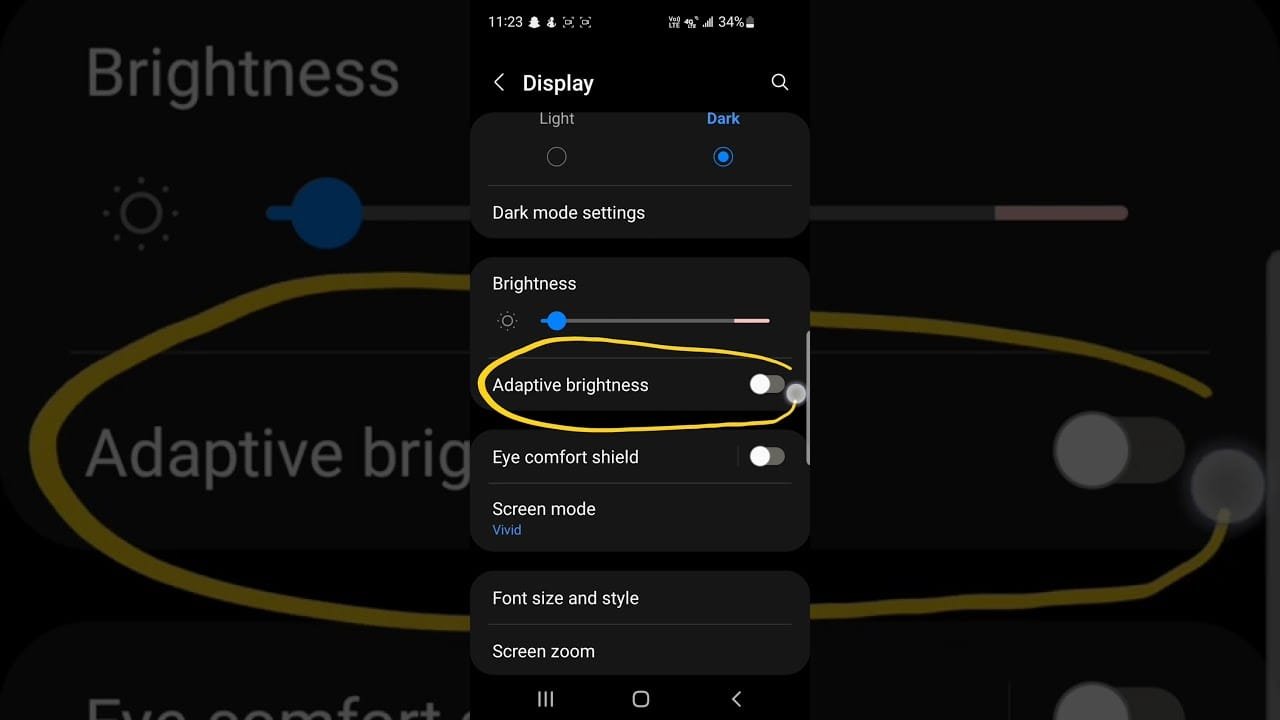
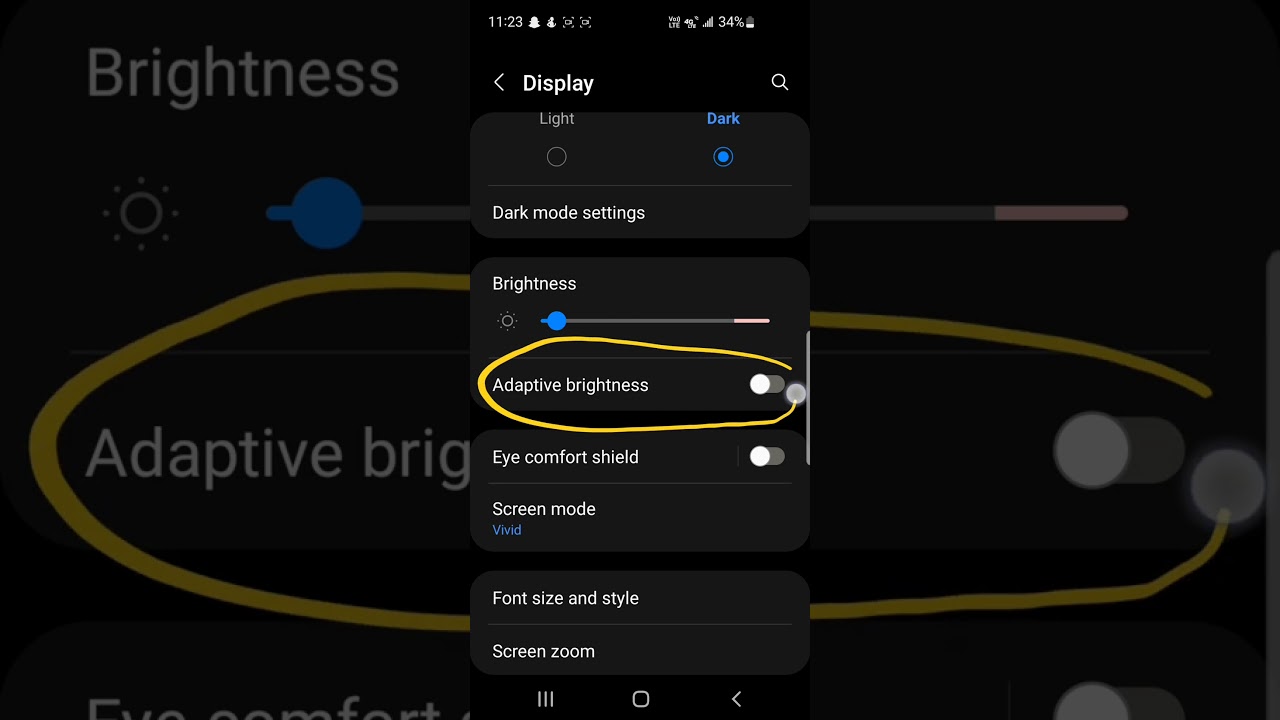
Initially, utilizing adaptive brightness is highly recommended. This feature automatically adjusts screen luminosity based on ambient light conditions, ensuring optimal visibility while conserving power. Furthermore, adjusting color profiles and refresh rates can fine-tune the display to your personal preferences.
Software Optimization and Adaptive Brightness
Both OnePlus and Samsung employ sophisticated software algorithms to manage screen brightness. Adaptive brightness, for instance, uses ambient light sensors to dynamically adjust the display. This not only saves battery but also reduces eye strain by preventing the screen from being excessively bright or dim.
Moreover, both devices offer various display modes, such as vivid, natural, or pro modes, allowing users to choose their preferred color saturation and accuracy. Experimenting with these settings can significantly impact the perceived quality of the OnePlus S24 brightness. For example, a more natural color profile might feel less fatiguing over long periods.
Color Accuracy and Contrast
Beyond brightness, color accuracy and contrast are paramount for a superior visual experience. Both the OnePlus 12 and Galaxy S24 excel in these areas, offering vibrant and true-to-life colors. High contrast ratios, a hallmark of OLED displays, ensure deep blacks and bright whites, making images pop.
Consequently, even if one device has slightly higher peak brightness, superior color calibration can make the overall viewing experience more enjoyable. Users who prioritize accurate color reproduction for tasks like photo editing might find specific display modes more appealing. This is a key differentiator in the premium smartphone market.
Choosing Your Ideal Screen Brightness
The decision between the OnePlus 12 and Galaxy S24 regarding screen brightness ultimately depends on individual priorities. If you frequently consume HDR content and value the absolute highest peak highlights, the OnePlus 12 might appeal more. However, for consistent outdoor visibility and overall balanced performance, the Galaxy S24 is a strong contender.
Consider your typical usage environment. Do you spend a lot of time outdoors in direct sunlight? Or is your primary use indoors for media consumption? These factors will heavily influence which device’s display characteristics align better with your needs. Furthermore, remember that battery life is directly impacted by screen brightness, so finding a balance is crucial.
For users interested in how other flagship phones compare in terms of endurance, our guide on Pixel vs iPhone Battery: 2026 Complete Comparison Guide offers valuable insights into battery performance, which is often linked to display efficiency. Another relevant comparison for general tech enthusiasts is our article on WiFi 6E vs WiFi 7: 2026 Complete Diagnostic Guide, which explores advancements in wireless connectivity.
Frequently Asked Questions About OnePlus S24 Brightness
This section addresses common queries regarding the brightness and display performance of the OnePlus 12 and Galaxy S24, providing quick and clear answers to help you make an informed decision.
Which phone has better outdoor visibility, OnePlus 12 or Galaxy S24?
Both the OnePlus 12 and Galaxy S24 offer excellent outdoor visibility. However, the Galaxy S24 often achieves higher peak brightness in direct sunlight, particularly for HDR content, giving it a slight edge in extreme conditions. The OnePlus 12 still performs admirably with its high sustained brightness.
Does higher screen brightness drain battery faster?
Yes, higher screen brightness significantly increases battery consumption. Displays are one of the most power-hungry components in a smartphone. Consequently, consistently using your device at maximum brightness will reduce your battery life, regardless of whether it’s a OnePlus 12 or Galaxy S24.
What is the difference between peak brightness and sustained brightness?
Peak brightness refers to the maximum luminance a display can achieve, often for short bursts in specific areas, especially when displaying HDR content. Sustained brightness, conversely, is the maximum brightness a display can maintain across its entire screen for extended periods without overheating or throttling. Both are crucial metrics for evaluating screen performance.
Conclusion
In conclusion, the OnePlus S24 brightness comparison reveals two exceptionally capable flagship smartphones. Both the OnePlus 12 and Samsung Galaxy S24 offer stunning AMOLED displays with high brightness levels, excellent color accuracy, and adaptive refresh rates. While the OnePlus 12 boasts a higher theoretical peak brightness, the Galaxy S24 often provides a slightly more consistent and robust outdoor viewing experience.
Ultimately, the choice between these two devices for screen brightness comes down to subtle preferences and specific usage patterns. Both will deliver a premium visual experience that satisfies the vast majority of users. Therefore, consider your priorities for HDR content, outdoor use, and overall display characteristics before making your final decision.