A Pixel vs iPhone Battery comparison is crucial for smartphone buyers. If you are evaluating the Pixel vs iPhone Battery performance, this 2026 master guide will help you understand the differences and make an informed decision. Furthermore, we will delve into specific capacities, real-world usage, and charging capabilities of both the Google Pixel 8 Pro and the iPhone 15.
Initially, choosing between these flagship devices often comes down to personal preference and ecosystem. However, battery life remains a top priority for many users. Therefore, understanding the nuances of each device’s power management is essential before making a purchase. This guide aims to provide a comprehensive overview.
Table of Contents
Understanding the Pixel vs iPhone Battery Landscape
The landscape of smartphone battery technology is constantly evolving. Both Google and Apple invest heavily in optimizing hardware and software for maximum endurance. Consequently, comparing the Pixel 8 Pro and iPhone 15 requires a look beyond raw specifications. We must consider the entire power management ecosystem.
Specifically, the Google Pixel 8 Pro introduces Google’s latest Tensor G3 chip, designed for enhanced AI capabilities and power efficiency. This integration aims to deliver a seamless user experience without compromising battery longevity. Furthermore, its adaptive battery features learn user habits to conserve power effectively.
Pixel 8 Pro Battery Capacity and Design
The Google Pixel 8 Pro features a substantial 5050 mAh battery. This large capacity is among the biggest in its class, promising extended usage times. Moreover, the phone’s design incorporates advanced thermal management to prevent overheating, which can degrade battery performance over time.
In addition, the Tensor G3 processor plays a critical role in managing this power. It intelligently allocates resources, ensuring that demanding tasks run efficiently while background processes consume minimal energy. Therefore, the hardware and software work in tandem to optimize the Pixel vs iPhone Battery experience.
Real-World Pixel 8 Pro Battery Performance
In real-world scenarios, the Pixel 8 Pro typically delivers impressive all-day battery life for most users. Heavy usage, including gaming, video streaming, and extensive camera use, might necessitate a midday top-up. However, moderate users can often comfortably last until bedtime.
Furthermore, the phone’s adaptive refresh rate display (LTPO OLED) dynamically adjusts from 1Hz to 120Hz. This feature significantly contributes to power savings, especially during static content viewing. Consequently, the Pixel 8 Pro offers a robust and reliable battery experience for diverse daily activities.
Exploring the iPhone 15 Battery Performance
Apple’s approach to battery life focuses on extreme efficiency and tight integration between hardware and software. The iPhone 15, while not boasting the largest battery capacity on paper, consistently delivers excellent endurance. This is largely due to the highly optimized A16 Bionic chip.
Specifically, the A16 Bionic is renowned for its power efficiency, allowing the iPhone to achieve impressive battery life despite a smaller physical battery. Furthermore, iOS is meticulously designed to manage background processes and system resources, minimizing unnecessary power drain. This holistic approach ensures consistent performance.
iPhone 15 Battery Capacity and Efficiency
The iPhone 15 comes with a 3349 mAh battery, which appears smaller than the Pixel 8 Pro’s capacity. However, raw numbers do not tell the whole story. Apple’s A16 Bionic chip is incredibly efficient, allowing the device to draw less power for the same tasks.
Moreover, the display technology and iOS optimizations contribute significantly to this efficiency. The iPhone 15’s display, while not LTPO, is highly optimized for power consumption. Therefore, the combination of a powerful yet efficient chip and a streamlined operating system results in remarkable battery performance.
Real-World iPhone 15 Battery Life
Users of the iPhone 15 consistently report excellent battery life, often lasting a full day with moderate to heavy use. Standby time, in particular, is a strong suit for iPhones, with minimal battery drain overnight. This makes it a reliable companion for daily commutes and extended periods away from a charger.
For example, streaming videos or browsing social media consumes power efficiently on the iPhone 15. While intense gaming might reduce overall endurance, the device generally holds up well under various loads. Consequently, the iPhone 15 provides a dependable and consistent power source for everyday tasks.
Pixel vs iPhone Battery: A Direct Comparison
When directly comparing the Pixel vs iPhone Battery, several key aspects come into play. Both devices offer premium experiences, but their battery philosophies differ. Understanding these differences helps consumers choose the best device for their specific needs. We will examine capacity, efficiency, and charging.
Initially, the Pixel 8 Pro’s larger battery capacity suggests longer endurance, especially for power-intensive applications. However, the iPhone 15’s superior software and hardware optimization often bridge this gap. Therefore, real-world testing is crucial for a comprehensive assessment of the Pixel vs iPhone Battery performance.
Battery Capacity and Chipset Efficiency
The Pixel 8 Pro boasts a 5050 mAh battery, while the iPhone 15 features a 3349 mAh unit. On paper, the Pixel has a significant advantage. However, the iPhone’s A16 Bionic chip is arguably more power-efficient than Google’s Tensor G3, especially in certain workloads.
Furthermore, Google’s Tensor G3 focuses heavily on AI and machine learning tasks, which can be power-intensive. Apple’s A16 Bionic, conversely, prioritizes raw performance and efficiency across a broader range of applications. This fundamental difference impacts how each phone manages its power reserves throughout the day.
Charging Speeds and Wireless Capabilities
In terms of wired charging, the Pixel 8 Pro supports up to 30W, allowing it to charge faster than the iPhone 15, which supports around 20-27W. For instance, the Pixel can reach 50% charge in about 30 minutes, whereas the iPhone takes slightly longer. This difference can be significant for users needing quick top-ups.
Regarding wireless charging, the Pixel 8 Pro supports 23W with the Pixel Stand 2, and 12W with standard Qi chargers. The iPhone 15 supports 15W MagSafe charging and 7.5W with standard Qi chargers. Consequently, the Pixel 8 Pro generally offers a faster and more versatile charging experience. For more on advanced tech comparisons, consider our guide on WiFi 6E vs WiFi 7.
Optimizing Your Smartphone Battery Life
Regardless of whether you choose the Pixel 8 Pro or the iPhone 15, optimizing battery life is crucial for long-term satisfaction. Simple adjustments to settings and usage habits can significantly extend your device’s endurance. Furthermore, understanding common battery drain culprits helps in proactive management.
Initially, both Android and iOS offer built-in battery management tools that provide insights into app usage and power consumption. Utilizing these features can help identify and mitigate issues. Therefore, regular monitoring and adjustments are key to maximizing your phone’s power.
Tips for Extending Pixel 8 Pro Battery
To extend your Pixel 8 Pro’s battery life, consider enabling Adaptive Battery and Adaptive Charging features. These AI-driven tools learn your usage patterns and optimize power delivery. Furthermore, reducing screen brightness and utilizing dark mode can significantly conserve energy, especially on OLED displays.
Additionally, limiting background app refresh for non-essential applications and disabling unnecessary location services can help. For example, if you encounter issues with Android devices, our WireGuard Handshake Failure Android Diagnostic Guide offers insights into network-related optimizations that can indirectly impact battery life.
Strategies for iPhone 15 Battery Longevity
For iPhone 15 users, enabling Low Power Mode is an effective way to conserve battery when needed. This mode temporarily reduces background activity and visual effects. Furthermore, managing app notifications and disabling ‘Hey Siri’ when not in use can prevent passive battery drain.
Moreover, keeping your iOS software updated ensures you benefit from Apple’s latest power efficiency improvements. Regularly checking ‘Battery Health’ in settings provides insights into your battery’s capacity and performance. Therefore, proactive management is vital for maintaining optimal iPhone 15 battery longevity.
Key Takeaways for Pixel vs iPhone Battery
In summary, the **Pixel vs iPhone Battery** debate highlights distinct strengths. The Google Pixel 8 Pro offers a larger battery capacity and faster charging, making it ideal for users who prioritize raw power and quick top-ups. Its Tensor G3 chip, while powerful, is still evolving in terms of efficiency compared to Apple’s offerings.
Conversely, the iPhone 15, with its smaller battery, leverages the highly efficient A16 Bionic chip and superior software optimization to deliver consistent, all-day battery life and excellent standby performance. Therefore, your choice depends on whether you value raw capacity and charging speed or optimized efficiency and standby time. Both are top-tier devices.

Diagnostic Comparison Table
This table provides a quick overview of the key battery-related specifications and performance indicators for both devices.
| Feature | Google Pixel 8 Pro | iPhone 15 |
|---|---|---|
| Battery Capacity | 5050 mAh | 3349 mAh |
| Wired Charging Speed | Up to 30W | Up to 20-27W |
| Wireless Charging Speed | 23W (Pixel Stand 2), 12W (Qi) | 15W (MagSafe), 7.5W (Qi) |
| Chipset Efficiency | Tensor G3 (Good, AI-focused) | A16 Bionic (Excellent, balanced) |
| Typical All-Day Use | Strong, often lasts a full day | Excellent, consistently lasts a full day |
| Standby Time | Very Good | Exceptional |
| Adaptive Battery Features | Yes | Yes (iOS optimization) |
Frequently Asked Questions
Here are some common questions regarding the battery performance of the Google Pixel 8 Pro and iPhone 15.
Which phone has better battery life, Pixel 8 Pro or iPhone 15?
Both the Pixel 8 Pro and iPhone 15 offer excellent battery life, but performance varies by usage. The Pixel 8 Pro often excels in active screen-on time for demanding tasks, while the iPhone 15 typically boasts superior standby time and consistent daily usage. Ultimately, ‘better’ depends on individual usage patterns and optimization.
How do charging speeds compare between Pixel 8 Pro and iPhone 15?
The Google Pixel 8 Pro supports faster wired charging, reaching up to 30W, and also offers faster wireless charging at 23W with compatible Pixel Stand chargers. Conversely, the iPhone 15 supports up to 20-27W wired charging and 15W MagSafe wireless charging. Therefore, the Pixel 8 Pro generally charges quicker in both wired and wireless scenarios.
What factors influence the battery performance of these smartphones?
Several factors influence battery performance, including the chipset’s efficiency (Tensor G3 for Pixel, A16 Bionic for iPhone), screen technology and refresh rate, software optimization, network connectivity, and user habits. Furthermore, background app activity, brightness settings, and location services significantly impact overall battery longevity. For more detailed tech insights, you can refer to authoritative sources like GSMArena.
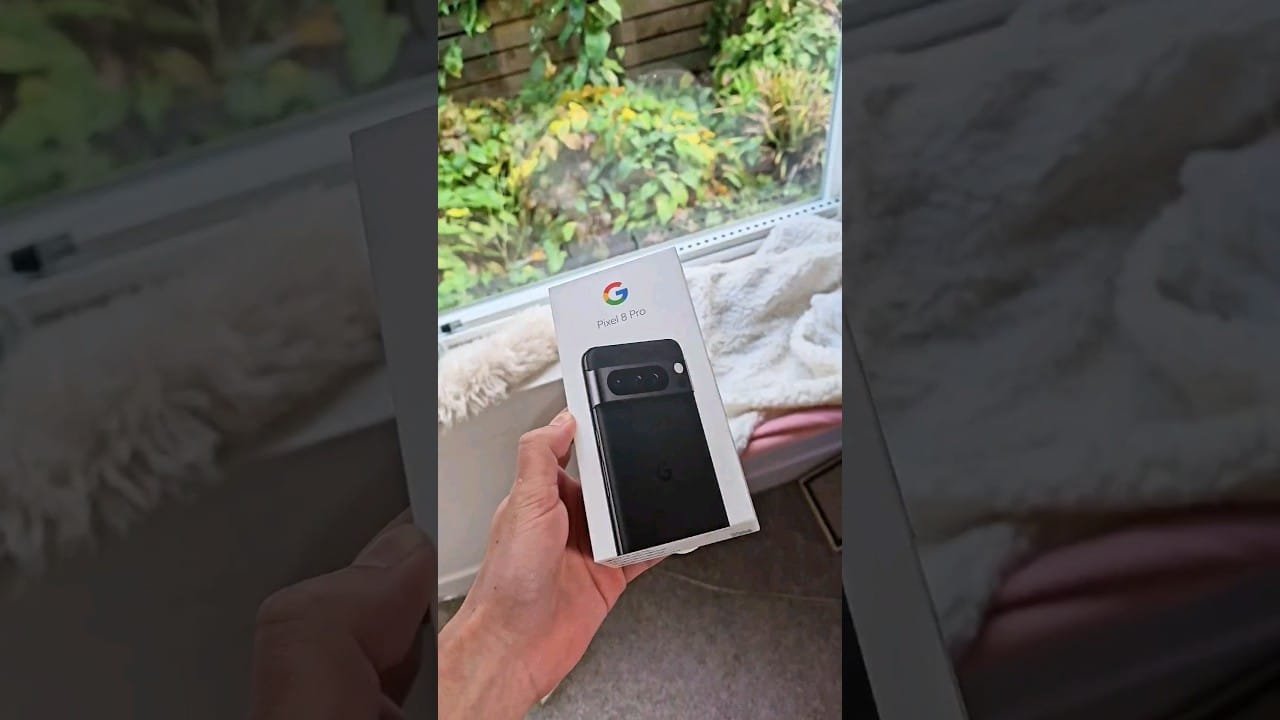
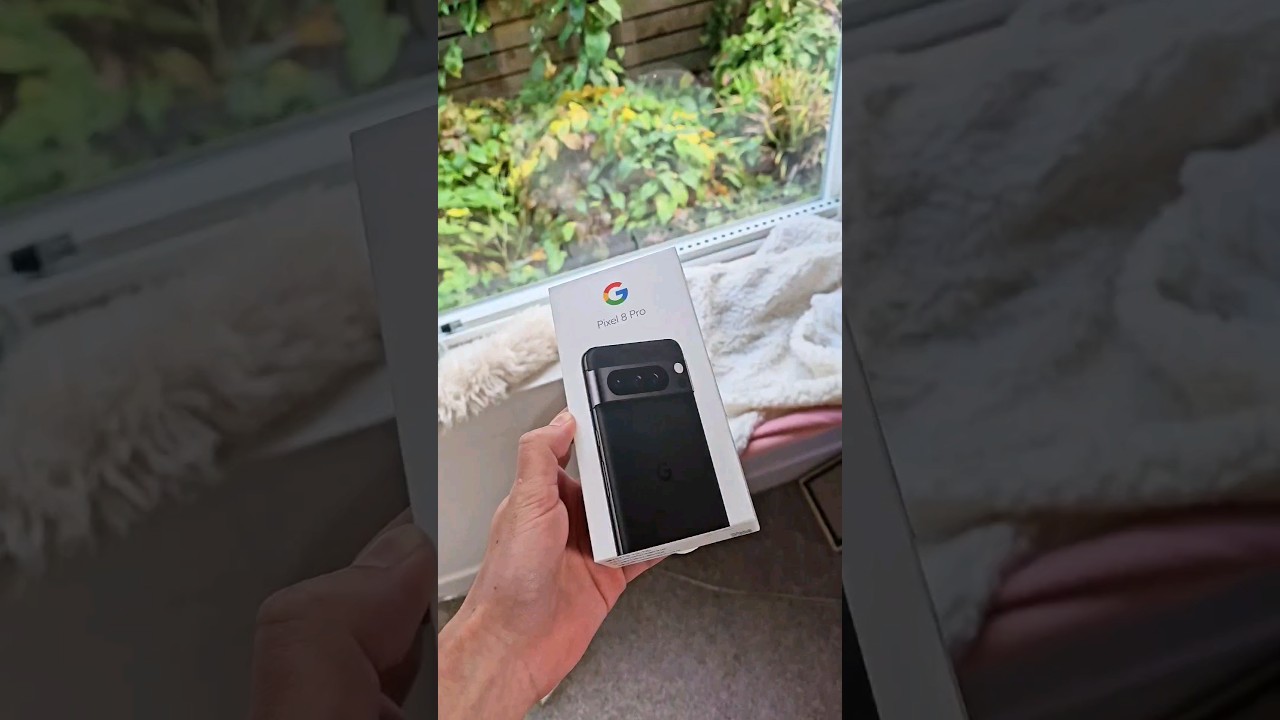
📺 Video Guide: The Pixel 8 has a problem🤦♂️ #pixel8 #madebygoogle #pixel8pro
Video walkthrough courtesy of Hipyo Tech on YouTube. Follow along with the visual steps above.