Indeed, imagine a world. Here, your computer understands your needs. Furthermore, it processes complex tasks instantly. Moreover, your sensitive data stays private. Crucially, all this happens without constant internet or hefty cloud fees. However, this isn’t a futuristic dream. In fact, it’s the present and future. Thus, Ryzen AI is shaping it. Specifically, it’s a groundbreaking shift towards on-device Artificial Intelligence. Indeed, on-device AI is rapidly emerging. Consequently, it’s the “next big thing” in personal computing. Ultimately, it promises to transform how you interact with devices.
For years, AI resided in the cloud. Accordingly, it needed vast data centers. Furthermore, high-speed internet was essential. However, powerful, dedicated AI engines are rising. Specifically, AMD’s Neural Processing Units (NPUs) are an example. Indeed, they are integrated into Ryzen AI processors. Consequently, this brings intelligence directly to your desktop or laptop. Moreover, this approach is revolutionary. In fact, it unlocks many advantages. For instance, these range from blistering performance to ironclad privacy. Ultimately, it sets the stage for intelligent computing. Therefore, let’s delve into why on-device AI is not just a trend, but a pivotal evolution.

Why On-Device AI is the Future: Core Advantages Unpacked
Indeed, AI processing is shifting. Specifically, it moves from distant cloud servers. Instead, it comes directly to your device. For instance, innovations like Ryzen AI drive this. Consequently, it offers many tangible benefits. Furthermore, these advantages address pressing concerns. Notably, they cover modern computing. Specifically, this includes speed, efficiency, data security, and accessibility. Moreover, they pave the way for entirely new user experiences.
Unparalleled Performance and Efficiency
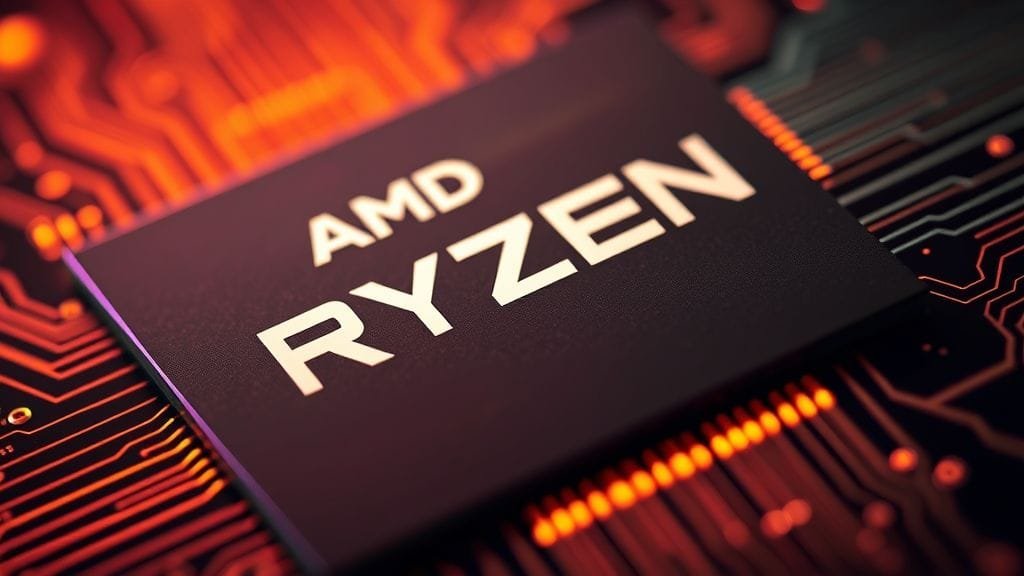
Essentially, the Ryzen AI revolution has a core. In fact, it’s the Neural Processing Unit (NPU). Specifically, this specialized engine is meticulously engineered. Thus, it offers ultimate AI processing efficiency. Furthermore, AMD’s cutting-edge XDNA architecture powers these NPUs, delivering remarkable capabilities. For example, Ryzen AI 300 series processors are new. Indeed, they offer up to 50 TOPS. To clarify, (TOPS means trillion operations per second.) Moreover, upcoming Ryzen AI Max chips will also feature XDNA 2 NPUs. In fact, these are capable of up to 50 TOPS. Furthermore, some configurations even exceed 55 TOPS. Ultimately, this dedicated hardware significantly accelerates AI tasks.
Consequently, by processing AI models locally, the NPU dramatically reduces latency for AI applications. Thus, this means faster responses and a smoother, more seamless user experience for you. In addition, offloading AI tasks frees up CPU and GPU. Therefore, these components can handle other workloads. Ultimately, this improves system efficiency and power consumption. Specifically, laptop users benefit directly. For instance, they get extended battery life. Consequently, you can work or create longer on the go.
Enhanced Privacy and Robust Security
Notably, on-device AI offers compelling arguments. Indeed, it substantially increases data privacy and security. Essentially, AI models run locally. Consequently, your sensitive user data remains on your device. Crucially, this is where it belongs. Furthermore, this design choice is crucial. Specifically, it eliminates transmitting personal information. Therefore, data stays off external cloud servers. Thus, this drastically mitigates security risks.
For instance, consider this point. Indeed, data faces vulnerabilities every time. Specifically, it travels to a cloud service via the internet. However, with Ryzen AI, the risk of data leaks is significantly reduced because your data never leaves your control. Moreover, local processing addresses concerns. Furthermore, it helps with global privacy regulations. Ultimately, this gives you greater peace of mind. Notably, AMD champions “no cloud AI” technology. Indeed, privacy is a core design tenet. Thus, deep learning models execute directly on your endpoint.
Significant Cost Reduction and Offline Accessibility
Beyond performance and privacy, embracing on-device AI can lead to tangible financial benefits. Consequently, reduce reliance on expensive cloud AI services. Thus, you save significant costs. Specifically, cut recurrent subscription fees for cloud compute resources. Ultimately, this makes advanced AI capabilities more accessible and affordable for everyone.
Furthermore, local processing confers a profound advantage: offline accessibility. Indeed, AI applications powered by Ryzen AI can function seamlessly without an internet connection. Consequently, this increases versatility and reliability. Specifically, it’s valuable with patchy network connectivity. Moreover, it also helps when working remotely without Wi-Fi. For instance, imagine generating stunning images or translating languages in real-time, even when you’re completely offline.
Driving a New Era of PC Capabilities and User Experiences
Essentially, on-device AI offers advanced capabilities. Specifically, Ryzen AI powers them. However, it’s not just faster processing. Instead, it fundamentally redefines how you interact with your digital world. Consequently, it will usher in new AI-powered applications. Indeed, these will dramatically enhance productivity. Moreover, they will boost creativity and even gaming. Ultimately, this technological leap is significant. For example, it’s compared to past computing revolutions. Specifically, cloud computing and mobile technology were similar.
Think about the possibilities:
- Real-time Language Translation: For example, imagine seamless conversations. Consequently, language barriers disappear. Moreover, your PC translates instantly. Thus, no external server is needed.
- Advanced Photography Features: Furthermore, your device optimizes scenes. In addition, it recognizes faces. Moreover, it suggests photo improvements. Ultimately, all this happens on the fly.
- Intelligent Video Conferencing: For instance, experience next-level virtual meetings. Specifically, features include perfect background blur. Additionally, automatic eye-tracking is another. Indeed, it makes it look like you’re always making eye contact. Furthermore, noise suppression is also included. Crucially, all are processed locally. Ultimately, this ensures maximum responsiveness and privacy.
- Personalized AI Assistants: Moreover, your digital assistant gets smarter. Specifically, it learns your habits and preferences. Crucially, this happens entirely on-device. Consequently, you get personalized support. Furthermore, your data is not shared.
- Local Generative AI: Finally, content creators generate images. For example, they use tools like Stable Diffusion. Indeed, this happens directly on their machines. Consequently, it offers immediate feedback and creative freedom. Moreover, cloud costs are avoided.
Ultimately, these examples merely scratch the surface of the transformative potential. Indeed, the power of Ryzen AI enables experiences that are not only more intelligent but also deeply integrated and responsive.

An infographic illustrating the core benefits of on-device AI: reduced latency, enhanced privacy, lower cost, and offline capability, with icons for each.
The Explosive Growth of AI PCs: Market Insights
Crucially, the AI PC market is central to this trend. However, it is not just growing. Instead, it is undergoing an explosive expansion. Indeed, analysts and projections agree. Consequently, AI PCs will become the new norm. Specifically, this will happen in personal computing. Moreover, it will occur within a few short years. Furthermore, major players are investing aggressively. For example, these include AMD, Intel, and Qualcomm. Thus, this signals a significant paradigm shift.
Take a look at these compelling statistics and market predictions:
| Metric | 2023 / 2024 Value | Projected 2025 Value | Projected Long-Term Value (2028-2033) | CAGR (2025-2032/33) |
|---|---|---|---|---|
| Global AI PC Market Size | USD 34.2B (2023) / 50.2B (2024) | – | USD 235.28B (2032) / 433.1B (2033) | 21.30% / 28.9% |
| AI PCs as % of Total PC Market | 15.6% (2023) | 31% (end of 2025) | 55% (2026) / 60% (2027) / Norm (2029) | – |
| Worldwide AI PC Shipments | – | 77.8 Million Units (2025) | 205 Million Units (2028) | – |
| Software Vendor Investment in On-PC AI Capabilities | 2% (2024) | 40% (end of 2024) | – | – |
Key Market Takeaways
- Phenomenal Growth: Firstly, the global AI PC market will grow monumentally. Indeed, projections show it quadrupling in size. Specifically, this will occur within the next decade.
- Dominant Market Share: Secondly, AI PCs are moving quickly. Furthermore, they shift from niche to mainstream dominance. Ultimately, they will represent over half of all PC sales. Specifically, this will happen within a few years.
- Investment Shift: Thirdly, software vendors are re-prioritizing investments. Indeed, they funnel significant resources into on-device AI. Thus, they recognize the power of solutions like Ryzen AI.
- Geographical Leadership: Finally, Asia-Pacific will lead this charge. Notably, it is projected to grow fastest. Specifically, this is in the AI PC market. Moreover, demand for advanced tech drives it. Furthermore, rapid AI adoption contributes too.
Overall, these figures send a clear message. Indeed, personal computing’s future is linked to on-device AI.

Navigating the Road Ahead: Challenges and Hybrid Approaches
While on-device AI has a bright horizon. Specifically, innovations like Ryzen AI power it. Still, challenges exist. Moreover, different perspectives shape its evolution. Therefore, it’s important to acknowledge them. Indeed, every tech revolution has hurdles. Consequently, understanding these helps us. Thus, we appreciate the sophistication needed. Ultimately, this overcomes them.
Hardware Constraints and Cost Considerations
While dedicated hardware shows impressive advancements. Yet, edge device processing power is limited. Specifically, this is true for laptops. In contrast, cloud servers offer vast resources by comparison. Consequently, AI model complexity on-device may be restricted. Indeed, this is especially true for huge computational tasks. Furthermore, integrating specialized hardware increases device cost. For instance, advanced NPUs in Ryzen AI processors are an example. Ultimately, this factor could potentially limit widespread adoption in lower-end markets, at least initially.
Software Development and Management Complexities
Furthermore, another significant area of challenge lies in software. Indeed, managing and updating AI models directly on-device can be a complex endeavor. Specifically, it needs sophisticated software management. Consequently, this ensures efficient delivery of updates. Moreover, installation should not disrupt user experience. While local AI is powerful. However, its capabilities might be less than cloud AI for some tasks. For instance, this is true for extensive real-time data processing. Moreover, it also applies to analytics on colossal datasets. Therefore, developers must work to optimize models for the unique constraints of on-device execution.
The Rise of Hybrid AI Architectures
Crucially, experts foresee a “hybrid AI” future. Indeed, it will dominate. Specifically, there will be no exclusive reliance. In other words, this means no single on-device or cloud-based solution. Furthermore, this approach balances local and cloud AI. Consequently, vendors can intelligently distribute AI computing. Specifically, this depends on task requirements. Moreover, data sensitivity also plays a role. For instance, highly private tasks could run on-device. In addition, latency-critical tasks would also use Ryzen AI. Conversely, massive data analytics might use the cloud. Furthermore, training new foundational models could also occur there. Ultimately, this strategic blend capitalizes on the strengths of both environments.
Intense Competition and the Pace of Innovation
Moreover, the AI space is incredibly competitive, characterized by a dizzying pace of innovation. Indeed, all major chipmakers are racing. For instance, AMD, Intel, and Qualcomm are examples. Specifically, they aim for powerful, efficient on-device AI solutions. Furthermore, even hyperscalers are developing in-house solutions. Therefore, for AMD, continuous innovation is paramount. Specifically, this applies to its Ryzen AI platform. Consequently, it helps maintain its competitive edge. Ultimately, it leads the charge in this evolving landscape.
A Nod to Sustainability
Beyond all these considerations, it’s worth noting the often-overlooked sustainability aspect. Specifically, run AI models locally. Thus, avoid sending data to cloud data centers. Indeed, cloud centers are energy-intensive. Consequently, this reduces the environmental footprint. Furthermore, cloud data centers are notoriously thirsty, consuming vast amounts of water for cooling. Therefore, keep more AI computation on your device. For instance, use Ryzen AI. Ultimately, we contribute to a more sustainable tech future.
AMD’s Leadership and the Future of Ryzen AI
Ultimately, AMD stands as a pioneering force in the on-device AI movement. Indeed, they made a significant stride. Specifically, they introduced the first AI engine on an x86 chip. Consequently, this was with their initial Ryzen AI offerings. Moreover, today, AMD provides many Ryzen AI processors. Specifically, they cater to diverse needs. For instance, these range from mainstream commercial solutions. Furthermore, they also offer high-performance Ryzen AI Max Pro series. Indeed, this series is for demanding enterprise and consumer applications. Ultimately, this broad portfolio ensures that more users can access the benefits of on-device AI.
Beyond hardware, AMD’s commitment extends; they are actively cultivating a robust software ecosystem. Specifically, they collaborate with over 150 AI partners. For example, these include industry giants. Notably, Adobe, Microsoft (powering Copilot+ PCs), Meta, and OpenAI are examples. Crucially, these partnerships are crucial. Consequently, they enable new generative AI tools. Moreover, digital assistants also benefit. Ultimately, all run directly on your device. For example, they partner with Stability AI. Thus, this allows local Stable Diffusion image generation. Consequently, creators get unprecedented freedom and speed. Furthermore, cloud costs are avoided.
Indeed, analysts are optimistic about AMD’s AI trajectory. Specifically, they project significant growth in AI GPU sales. Moreover, overall market share will also grow. Thus, this confidence is a testament. In fact, it shows AMD’s strategic investments. Specifically, these are in hardware innovation and ecosystem development. Furthermore, they also have a clear vision. Ultimately, this is for personal computing’s future with Ryzen AI.

The Intelligent Evolution is Here
In conclusion, elements converge. Specifically, advanced hardware, like AMD’s Ryzen AI, is one. Moreover, localized processing offers undeniable benefits. Furthermore, demand for AI applications is surging. Consequently, this indicates on-device AI is more than a trend. Instead, it represents a fundamental, irreversible shift in the landscape of personal computing.
Ultimately, this evolution promises a future. First, your devices will be more intelligent. Secondly, your data remains private. Thirdly, interactions will be more efficient. Moreover, your capabilities will expand. Indeed, we are just beginning to imagine these ways. Consequently, your PC will be more than a tool. Instead, it will be an intuitive, powerful companion. Specifically, this companion reshapes your digital life. Furthermore, it also drives significant market growth. Therefore, the intelligent revolution is not coming; it’s already here, powered by innovations like Ryzen AI.
What excites you most about the prospect of on-device AI and the future of intelligent personal computing? Share your thoughts below!