Imagine a world without buffering. Indeed, online gaming would feel responsive. Furthermore, virtual reality would immerse you without stuttering. This isn’t a distant dream, however. Instead, it’s the promise of Wi-Fi 7. This next-gen wireless technology redefines connectivity. To clarify, it is officially IEEE 802.11be. Moreover, it is also dubbed “Extremely High Throughput (EHT).” Consequently, Wi-Fi 7 offers much faster speeds. Additionally, it delivers dramatically lower latency. Performance, therefore, is unparalleled, even in congested environments. In fact, the Wi-Fi Alliance launched “Wi-Fi Certified 7.” Significantly, this program started in January 2024. Thus, it signals readiness for prime time. Are you ready to experience the ultimate wireless upgrade?

%20benefiting%20from%20fast%20Wi-Fi%207.?width=1280&height=720&seed=8182&nologo=true&referrer=testwebapp.com)
What is Wi-Fi 7? Understanding the Next Generation
Wi-Fi 7 represents a monumental leap forward from its predecessors, Wi-Fi 6 and Wi-Fi 6E. Essentially, think of it as a data highway upgrade. Specifically, you go from two lanes to a multi-lane autobahn. Indeed, this standard isn’t just an improvement. Rather, it’s a complete overhaul. Consequently, it meets demands of our connected world. For instance, Wi-Fi 7 powers smart homes. Furthermore, it supports the growing metaverse. Moreover, it provides a backbone for immersive digital experiences. However, the IEEE 802.11be standard awaits ratification. Specifically, this is expected by late 2024 or end of 2025. Yet, certified devices are already available.
Unprecedented Speed: Wi-Fi 7’s Breakthrough Performance
When we talk about speed, Wi-Fi 7 doesn’t just push the envelope; it tears it open. This new standard promises a theoretical maximum throughput of up to 46 Gigabits per second (Gbps). To put that in perspective, this speed is staggering. Specifically, it’s 2.4 to 4.8 times faster than Wi-Fi 6/6E. In contrast, Wi-Fi 6/6E offers 9.6 Gbps. In real-world use, client devices like laptops, for example, exceed 5 Gbps. Meanwhile, advanced Wi-Fi 7 routers show over 3 Gbps close-range. However, this boost isn’t magic. Instead, it results from sophisticated technical advancements. Specifically, they work in harmony.
Blazing Fast Throughput: Beyond Gigabit Speeds
Imagine downloading a 4K movie in seconds. Indeed, you could transfer gigabytes instantly. Consequently, this performance creates new possibilities. For instance, it helps professional content creation. Moreover, it aids high-fidelity cloud computing. Thus, you no longer need to compromise between wired and wireless connections when dealing with massive files. Indeed, the era of true multi-gigabit wireless connectivity is here, making Wi-Fi 7 an essential technology.
How Wi-Fi 7 Achieves Its Incredible Speed
The impressive speed of Wi-Fi 7 is a testament to ingenious engineering. Several core technical advancements synergize to deliver this next-level performance:
- 320 MHz Ultra-Wide Bandwidth: Firstly, this feature doubles channel width. Specifically, it goes from 160 MHz (Wi-Fi 6E) to 320 MHz. Moreover, it primarily uses the less congested 6 GHz band. Essentially, this wider channel is like a dual carriageway. In other words, it expands from a single-lane road. Consequently, this drastically increases data flow.
- 4096-QAM (4K-QAM) Modulation: Secondly, this modulation is higher-order. Specifically, each symbol carries 12 bits of data. In contrast, Wi-Fi 6’s 1024-QAM carried 10 bits. Therefore, this 20% boost in theoretical transmission rates ensures more data is packed into every signal sent.
- Multi-Link Operation (MLO): Thirdly, MLO is mandatory for Wi-Fi 7 certification. In essence, it lets devices transmit and receive data simultaneously. Specifically, this happens across multiple frequency bands, including 2.4 GHz, 5 GHz, and 6 GHz. Thus, this aggregates bandwidth. Essentially, it’s like multiple internet connections working in parallel. Consequently, this leads to faster speeds and reliability.

Experience Ultra-Low Latency with Wi-Fi 7
Speed isn’t the only metric that matters; responsiveness is equally crucial, especially for real-time applications. Wi-Fi 7 significantly reduces latency, offering up to four times lower latency than Wi-Fi 6/6E. Furthermore, some experts even suggest a staggering 100x improvement in worst-case latency compared to Wi-Fi 6. Consequently, this ultra-low, deterministic latency is a game-changer. Specifically, it helps demanding applications, which were previously limited to wired connections.
Think of lag during online gaming. Alternatively, consider motion sickness from VR headset delays. Ultimately, Wi-Fi 7 eliminates these pain points. Indeed, it provides instant feedback. For instance, this is crucial for immersive AR and VR. Moreover, it enables crystal-clear 4K/8K streaming. It also supports seamless real-time collaboration. Ultimately, this means smoother gameplay, more realistic virtual worlds, and more productive online meetings for you.
Conquering Congestion: Wi-Fi 7 in Busy Environments
Increasingly, our homes and offices fill with devices. Specifically, these include smart speakers, cameras, appliances, laptops, and phones. Consequently, this IoT explosion overwhelms older Wi-Fi. Moreover, it leads to frustrating slowdowns, and connections also drop. Fortunately, Wi-Fi 7 excels in congestion. Indeed, it ensures smooth performance even with many devices. Specifically, it introduces several intelligent mechanisms to manage and optimize network traffic.
Smarter Spectrum Usage with MLO and Preamble Puncturing
Wi-Fi 7 employs sophisticated techniques to navigate the complexities of crowded airwaves:
- MLO (Multi-Link Operation): Beyond just boosting speed, MLO also enhances network resilience. Specifically, devices connect across multiple bands. Thus, this avoids slowdowns from “traffic jams.” In other words, it prevents jams on a single frequency. For example, if one link might face congestion or interference, MLO can seamlessly switch. Moreover, it combines with less crowded links. Consequently, this balances the load. Ultimately, it maintains a stable connection.
- Preamble Puncturing: This mandatory feature for Wi-Fi 7 certification is incredibly smart. Rather than abandoning an entire channel if interference might affect only a portion, preamble puncturing uses unaffected portions. Therefore, this happens even with neighboring Wi-Fi or other devices. Consequently, this optimizes spectrum usage in noisy areas. Moreover, it prevents wasted bandwidth. Ultimately, Wi-Fi 7 devices always find a clear data path.
Enhanced Efficiency: Multi-RU and MU-MIMO
Building on the foundation laid by Wi-Fi 6, Wi-Fi 7 further refines spectrum efficiency and capacity:
- Enhanced Resource Unit (RU) Allocation: Firstly, Wi-Fi 6 introduced OFDMA. Specifically, this allowed multiple users to share a channel. Consequently, it divided the channel into smaller RUs. However, Wi-Fi 7 adds Multi-RU. Thus, a single user can use multiple RUs. Furthermore, these RUs are not necessarily adjacent. Therefore, this flexibility boosts efficiency. Moreover, it improves capacity in dense areas. In essence, each device gets needed bandwidth without hogging the channel.
- Increased Capacity with 16×16 MU-MIMO: Secondly, Multi-User, Multiple-Input, Multiple-Output (MU-MIMO) technology allows a router to communicate with multiple devices simultaneously. Specifically, Wi-Fi 7 doubles spatial streams from Wi-Fi 6. Consequently, it supports 16×16 MU-MIMO. This is an impressive configuration. Indeed, this boosts network capacity massively. Thus, many more devices can connect. Furthermore, they operate at high speeds concurrently. Crucially, performance for others is not degraded. For example, imagine a busy office. Similarly, think of a smart home with many gadgets, or perhaps even a stadium. Ultimately, Wi-Fi 7 manages these high-density scenarios.
Why Your Next PC Needs Wi-Fi 7: Motherboards as a Key Selling Point
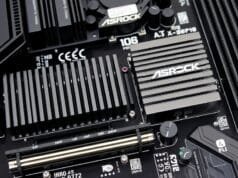
For instance, power users, gamers, and creators build modern PCs. Built-in Wi-Fi 7 on motherboards is a key selling point. Historically, high-performance PCs once needed an Ethernet cable. Specifically, this unlocked full networking potential. However, those days are gone. Instead, Wi-Fi 7 offers accelerated speeds. Furthermore, it provides ultra-low latency and reliability. Consequently, these directly benefit desktop users, especially when they perform data-intensive activities.
Consider these compelling advantages:
- High-Bandwidth Applications: Enjoy seamless 4K and 8K video streaming. Indeed, transfer large files rapidly. For example, think terabytes of video footage. Moreover, play real-time cloud games, all without wired compromise. Consequently, this makes your PC incredibly versatile, allowing you to place it anywhere without sacrificing network performance.
- Immersive Experiences: Furthermore, lag-free AR/VR applications that demand both high bandwidth and low latency become a reality. For example, imagine working in a virtual office or exploring digital worlds with unparalleled fluidity, all wirelessly.
- Future-Proofing Your Investment: Finally, as multi-gigabit fiber internet is spreading, a Wi-Fi 7 PC leverages these speeds. Consequently, this future-proofs your investment. Thus, your machine stays highly capable. Specifically, it remains relevant for new applications. Moreover, it supports an expanding smart device ecosystem. Indeed, Intel is a key player. Specifically, it highlights “>5 Gbps PC Wi-Fi speeds” with Wi-Fi 7. Therefore, this illustrates a significant desktop upgrade. Ultimately, a motherboard equipped with Wi-Fi 7 is an investment in your PC’s longevity and performance.
The Rapid Rise of Wi-Fi 7: Market Growth and Adoption
The market is clearly recognizing the immense potential of Wi-Fi 7. The global Wi-Fi 7 market expects significant growth. Specifically, reports estimate its value. Indeed, it could reach $22.9 billion to $24.97 billion by 2030. Furthermore, this expansion is impressive. Specifically, it represents a CAGR in the range of 55.2% to 61.5% during the forecast period. However, this is not just a forecast. Instead, it testifies to the technology’s ability. Specifically, it addresses critical digital needs.
This robust growth is primarily driven by three key factors:
- Firstly, more devices connect to our networks. Consequently, the need for efficient wireless grows. Indeed, high-capacity communication is crucial.
- Secondly, modern applications demand robust networks. For example, this includes cloud gaming and remote work. However, older standards cannot provide this.
- Thirdly, users expect seamless digital interactions. Ultimately, Wi-Fi 7 delivers the technology. Specifically, it meets these elevated expectations.
Moreover, as of mid-2025, over 1,200 devices are Wi-Fi 7 capable. Indeed, this shows broad adoption. Specifically, it spans various product categories. Furthermore, analysts predict millions of Wi-Fi 7 shipments by the end of 2024. Therefore, this indicates rapid adoption. Ultimately, this momentum suggests that Wi-Fi 7 is quickly becoming the new standard.
Navigating the Road Ahead: Challenges and Considerations for Wi-Fi 7 Adoption
Wi-Fi 7 offers a compelling vision. But adoption has practical challenges. Specifically, these must be acknowledged. No new technology arrives without its initial hurdles, and Wi-Fi 7 is no exception. Therefore, understanding these considerations helps you make informed decisions. Indeed, they ensure you integrate this powerful standard wisely.
Key Adoption Hurdles
Economic and Compatibility Factors
Device and Cost Considerations
- Firstly, initial costs for Wi-Fi 7 devices are higher. Generally, this is typical for bleeding-edge tech. Specifically, it includes routers, access points, and client devices. For instance, motherboards with Wi-Fi 7 are an example. In contrast, older counterparts cost less. However, these costs are expected to decrease over time as production scales and the technology matures. To experience full Wi-Fi 7 potential, your router needs Wi-Fi 7 certification. Specifically, your client devices must also be certified. For instance, this includes smartphones, laptops, or PC motherboards. Importantly, Wi-Fi 7 is backward compatible. However, older devices will still connect, but they won’t unlock new speeds; they also miss latency improvements. Indeed, it’s an ecosystem play. It’s worth noting that not all Wi-Fi 7 certified devices will necessarily include every single advanced feature. For example, some capabilities, such as the full 320 MHz channels or 4K-QAM modulation, can be optional for certification. Consequently, this might create some confusion for consumers, so looking closely at device specifications will be important.
Regulatory and Market Specificities
- Secondly, ultra-wide 320 MHz channels are available, especially true in the 6 GHz band, but it faces regional regulatory limits. Indeed, this varies worldwide. Consequently, availability differs by country. Thus, some headline speeds may be limited. For instance, this occurs in specific geographical areas. Moreover, many enterprises may find Wi-Fi 6 sufficient; some experts suggest Wi-Fi 6E also suffices. Therefore, this could slow enterprise adoption. Indeed, it might be slower than the consumer market. Conversely, consumers prioritize cutting-edge performance. Consequently, this is a strong driver for them.
Despite these challenges, the trajectory for Wi-Fi 7 is clear. Indeed, its capabilities are unparalleled. Moreover, they set a new wireless performance benchmark. Ultimately, this paves the way for new innovations, which we can only begin to imagine.
Embrace the Future of Connectivity
In conclusion, Wi-Fi 7 is not just an update. Rather, it’s a foundational shift. Indeed, it redefines wireless possibilities. Offering blazing-fast speeds, it also boasts ultra-low latency. This standard remarkably conquers congestion. Consequently, this standard will transform digital experiences. Therefore, if you are building or upgrading a PC, choose a Wi-Fi 7 motherboard. Specifically, this is especially true for gamers, VR users, or streamers. Indeed, it’s an essential, smart move. Moreover, it future-proofs your setup. Furthermore, the rapid market growth and widespread adoption underscore its significance.
Are you excited for Wi-Fi 7? What application are you eager to try? Experience this new wireless freedom! Share your thoughts in the comments below!