

The relentless pace of technological advancement often overshadows its environmental toll. Fortunately, the tech industry is now undergoing a significant shift. Indeed, this transformation, driven by urgent environmental concerns and growing consumer demand, focuses on integrating sustainable tech innovations into every stage of a gadget’s life cycle. Ultimately, our collective aim is to move towards a future where our beloved devices are as green as they are cutting-edge.

The Urgent Need for Sustainable Tech
Traditional electronics production is a resource-intensive process, thus leaving a substantial environmental footprint. Specifically, manufacturing alone generates massive carbon emissions, with semiconductor production contributing nearly 300 million tons of CO₂ annually. For instance, consider a single smartphone; it accounts for approximately 85 kg of CO₂ emissions over its lifetime, with 80% occurring during manufacturing. Consequently, this highlights the profound impact of current production methods.
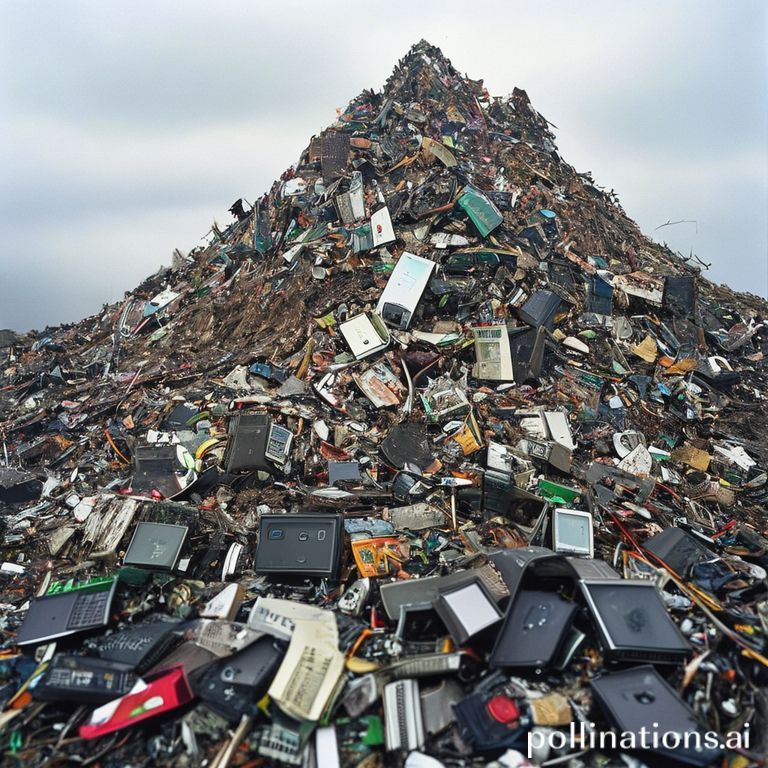
Moreover, beyond emissions, the global electronic waste (e-waste) crisis presents another daunting challenge. In fact, the world generates over 50 million metric tons of e-waste each year, and properly recycles a dismal 17.4% of it. Furthermore, experts project this volume to soar to 75 million metric tons by 2030, making e-waste the fastest-growing waste stream globally. Worse still, such discarded electronics often contain toxic substances that leach into the environment from landfills or release during incineration, posing severe health and ecological risks. Therefore, this necessitates a fundamental change towards sustainable tech innovations.
Pioneering Sustainable Materials in Gadgets
Introduction to Sustainable Materials
Indeed, one of the most impactful areas of sustainable tech innovations lies in the development and adoption of eco-friendly materials. Consequently, manufacturers are actively replacing traditional, harmful components with alternatives that minimize environmental damage. Specifically, these efforts span from the core structure of devices to their internal circuitry and packaging.
Core Strategies for Material Sustainability
Recycled Metals and Bio-based Alternatives
Recovering valuable metals from discarded electronics is crucial for a circular economy. To clarify, advanced recycling technologies, such as hydrometallurgical processes, efficiently extract metals from e-waste. This, in turn, reduces the need for new mining, which is inherently destructive. For example, recycling just one metric tonne of aluminum prevents 9 tonnes of CO₂ emissions, showcasing the significant environmental benefits.
Furthermore, the industry is increasingly adopting biodegradable plastics and bio-based substrates. Consequently, these materials offer a greener alternative to conventional plastics in various components and packaging, significantly reducing post-consumer waste. Thus, such innovations not only lessen environmental harm but also promote a more sustainable resource cycle. You can learn more about resource recovery on Wikipedia.
%2C%20illustrating%20the%20environmental%20challenge%2C%20with%20toxic%20substances.?width=1280&height=720&seed=36601&nologo=true&referrer=testwebapp.com)
Eliminating Harmful Substances
Crucially, a critical aspect of sustainable tech innovations involves eliminating hazardous substances from manufacturing processes. Hence, lead-free soldering is now a widespread practice, minimizing toxic waste and protecting both workers and the environment. Additionally, there is a strong focus on sourcing conflict-free minerals, ensuring that companies obtain raw materials ethically and responsibly. Ultimately, this commitment helps to prevent human rights abuses and environmental degradation associated with mining in conflict zones.
Moreover, emerging fields like organic electronics also hold immense promise. Specifically, these technologies utilize carbon-based molecules and polymers, which are lighter, more flexible, and potentially less energy-intensive to produce than traditional inorganic materials. In turn, organic electronics could revolutionize displays and other components, further enhancing the sustainability of future gadgets.
Boosting Energy Efficiency in Green Gadgets
Beyond materials, sustainable tech innovations also prioritize reducing energy consumption throughout a gadget’s entire life cycle. Indeed, this includes optimizing manufacturing processes and designing devices that require less power to operate, ultimately shrinking their carbon footprint. Therefore, many companies are now integrating these principles into their core product development strategies.
Innovations in Energy Consumption
Energy-Efficient Manufacturing
Factories are rapidly embracing renewable energy sources and streamlined production processes to significantly cut down carbon emissions and operational costs. Consequently, these low-impact manufacturing methods are becoming industry standards. For instance, advanced techniques like 3D printing can reduce the environmental impact of flexible electronic components by up to 86%. Clearly, this shift towards greener production facilities is a cornerstone of overall sustainability efforts.
Smart Devices and Solar Integration
Companies design modern gadgets to deliver superior performance with minimal power consumption. Evidently, this trend is evident in the widespread adoption of smart thermostats, which optimize home energy use, and LED lighting, which consumes up to 75% less energy and lasts 25 times longer than incandescent bulbs. Likewise, other examples include smart plugs and energy-efficient appliances, all contributing to lower household electricity demand. For more insights on smart home technology, visit (/blog/smart-home-energy-saving-tips/).

Moreover, another exciting development in sustainable tech innovations is the rise of solar-powered gadgets. Specifically, devices such as solar-powered chargers, backpacks with integrated solar panels, and solar-powered keyboards harness clean, renewable energy. Consequently, this reduces reliance on traditional electricity grids and offers greater energy independence for users, making gadgets truly greener.

Embracing Circular Economy Principles for Sustainable Tech
Overview of the Circular Economy
The circular economy represents a transformative approach in the tech industry. Essentially, it focuses on keeping products, components, and materials in use for as long as possible, thereby minimizing waste and maximizing resource efficiency. Thus, this paradigm shift moves away from the traditional “take-make-dispose” model towards a more regenerative system.
Pillars of the Circular Economy in Tech
Design for Longevity and Repairability
A key tenet of the circular economy is designing products for durability and extendibility. This means, specifically, manufacturers build gadgets to last, allow easy upgrades, and make them simple to repair. For example, modular smartphones exemplify this approach, allowing users to replace individual components rather than discarding the entire device. As a result, this significantly reduces the need for frequent upgrades and, consequently, the generation of e-waste. Ultimately, such design principles are vital for true sustainable tech innovations.
Furthermore, companies are increasingly offering repair guides, spare parts, and accessible repair services. This, in turn, empowers consumers to extend the life of their devices, fostering a culture of maintenance rather than immediate replacement.

Reuse and Refurbishment
Programs that encourage consumers to return old devices are gaining momentum. Subsequently, companies then refurbish and resell these devices, giving them a second life and diverting them from landfills. Indeed, the reuse of electronics significantly reduces the demand for new products and the resources required to manufacture them. Moreover, this also often makes technology more accessible to a wider audience, creating a positive social impact alongside environmental benefits.
Advanced Recycling and Take-Back Programs
Once devices eventually reach the end of their useful life, advanced recycling becomes paramount. Therefore, manufacturers are implementing robust take-back programs that facilitate the proper disposal and recovery of valuable materials. For example, organizations like the Circular Electronics Partnership (CEP) champion modular design, suggesting it could reduce e-waste by up to 50%. Ultimately, these initiatives re-integrate precious resources into the supply chain, closing the loop on material usage. You can find further details on the circular economy at (/blog/circular-economy-explained/).

Challenges and the Future of Sustainable Tech
Addressing Key Obstacles
Despite remarkable progress, the journey towards fully sustainable electronics still faces significant hurdles. Therefore, addressing these challenges requires concerted effort from industry, governments, and consumers alike.
For example, one major challenge is the higher cost often associated with sourcing eco-friendly materials and implementing energy-efficient technologies. While the long-term benefits outweigh the initial investment, these upfront costs can deter widespread adoption. Another complexity, moreover, arises from the global nature of electronics supply chains, which are incredibly intricate. Consequently, ensuring transparency, ethical practices, and the consistent availability of sustainable raw materials across this vast network remains a formidable task.
Furthermore, the persistent consumer demand for low-cost electronics also frequently conflicts with sustainable production practices. Indeed, sustainable products often come with a higher price tag, creating a dilemma for budget-conscious consumers. Additionally, inadequate infrastructure for recycling and refurbishing old electronics in many regions hinders the full potential of the circular economy. As a result, this lack of robust systems means too many devices still end up in landfills.
Perhaps most significantly, the most significant challenge is rapid technological obsolescence. Specifically, the fast-paced innovation cycle often leads to shorter product lifecycles, encouraging frequent upgrades and thus generating more e-waste. Therefore, overcoming this “upgrade culture” is crucial for promoting longevity and truly sustainable tech innovations.
The Path Forward: A Promising Outlook
However, the outlook remains hopeful. For instance, leading companies such as Apple and Dell are making bold commitments to carbon neutrality and significantly increasing their use of recycled materials. Furthermore, startups and established innovators are actively developing green technologies, focusing on everything from smart environmental monitoring to waste reduction and renewable energy solutions. Additionally, companies are also exploring the integration of cutting-edge technologies like AI and blockchain to enhance energy efficiency, reduce waste, and ensure more transparent and accountable supply chains.
The Road Ahead for Greener Gadgets
The movement towards sustainable tech innovations is far more than a passing trend; rather, it is an essential evolution for the entire industry. Indeed, a growing global awareness of environmental degradation, the finite nature of our resources, and increasing demand from both consumers and corporations for more responsible practices power this shift. By continuing to prioritize the development and integration of sustainable materials, energy-efficient designs, and robust circular economy principles, the electronics industry can pave the way for a greener, more responsible future. Our gadgets can, and must, become symbols of environmental stewardship, reflecting a commitment to both technological advancement and planetary well-being. Ultimately, the future of our planet truly depends on these continued sustainable tech innovations.