
Minimalist Motherboard Designs: The Stealth Revolution in PC Building
For years, the PC hardware landscape was dominated by flashy aesthetics, aggressive branding, and a dazzling array of RGB lighting. Consequently, every component seemed to shout its gaming prowess from the rooftops, demanding attention. Yet, a quiet revolution has been brewing. Indeed, it’s a subtle shift to a different philosophy: understated elegance. This movement champions minimalist motherboard designs. Primarily, they prioritize clean aesthetics. Intelligent engineering is also key. Ultimately, performance without visual clutter is the focus.
Imagine opening your PC’s side panel. Then, you see a meticulously clean system, specifically devoid of visible cables, almost looking like a sculpted piece of technology. However, this isn’t a futuristic dream; instead, it’s reality for many PC enthusiasts and professionals. They are embracing the “stealth” build. Thus, they seek professional, mature styling, which allows hardware’s raw power to speak for itself, avoiding reliance on a light show.
The Allure of Clean Aesthetics in Modern PC Builds
The primary driver behind the surge in minimalist motherboard designs is a profound desire for visual cleanliness. Many builders, for instance, showcase creations through tempered glass side panels. Therefore, they aspire to create serene, uncluttered internal PC builds. This aesthetic choice moves away from the vibrant, often chaotic, color schemes of yesteryear; instead, it favors color-neutral designs that provide a sterile or minimal look.
For a long time, extensive RGB lighting was the hallmark of a high-end system. Now, however, many users pursue “no RGB” builds, opting for highly subdued lighting instead to achieve their desired aesthetic. This is not just personal preference; rather, it’s about crafting a sleek, cableless desktop that emphasizes unrestricted space and highlights sophisticated simplicity. The goal, therefore, is often a high-performance machine that looks as refined as it operates.

Engineering for Elegance: The Rise of Reverse-Connector Boards
While aesthetics are a powerful motivator, the minimalist movement also brings substantial functional improvements. Indeed, a significant innovation in this space is the “reverse-connector” or “back-connect” design. Manufacturers like Gigabyte and MSI, for example, pioneered this approach; Gigabyte has “Project Stealth,” while MSI offers “Project Zero.” This ingeniously alters how we perceive cable management.
Revolutionizing Cable Management with Back-Connect Technology
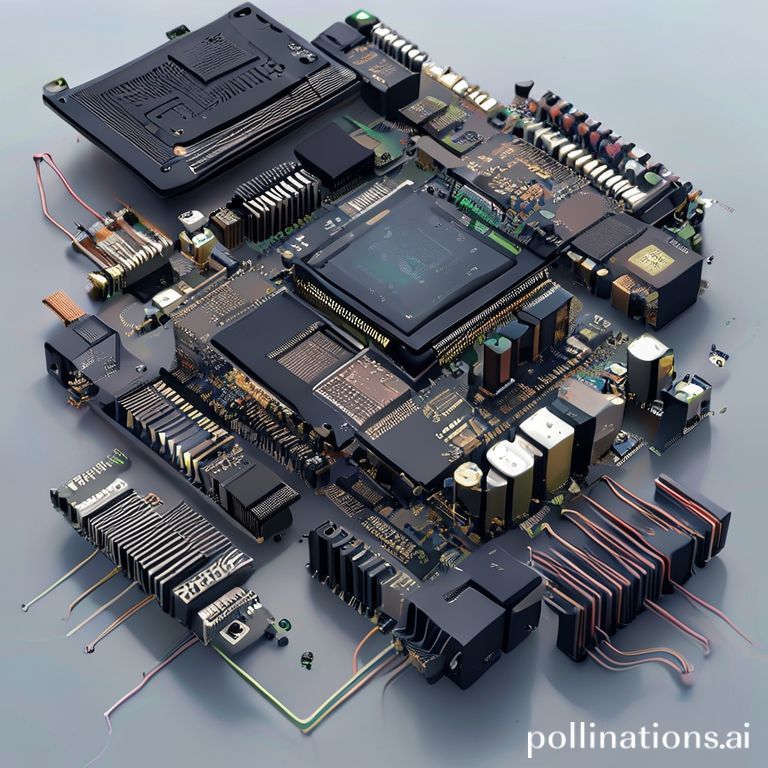
These innovative motherboards relocate crucial connectors; specifically, CPU power, SATA ports, fan headers, and front I/O cables move to the rear. This ingenious repositioning virtually eliminates visible cables on the front side of the board. Consequently, this dramatically improves cable management, transforming a frustrating PC building aspect into a streamlined process. Assembly time, moreover, often significantly decreases, leading to a more satisfying and less stressful experience.
Beyond the immediate visual appeal, this “hidden” approach offers practical benefits. For instance, it allows for a much cleaner interior, which is vital when showing off high-end components. Thus, no “rat’s nest of wires” distracts from the view, and this design thinking truly elevates the building experience for enthusiasts and professionals alike.
Beyond Aesthetics: Improved Airflow and Thermal Performance
Removing the traditional tangle of cables from the main pathway of internal airflow isn’t just about looks. Minimizing front-side obstructions, in fact, aids airflow. These stealth designs create smoother, less interrupted airflow within the PC chassis. This, in turn, improves air circulation and potentially aids thermal performance. As a result, components can run cooler and more efficiently.
Thermal gains vary by case design and fan configuration. Yet, the principle is clear: less clutter means better air movement. Consequently, this contributes to a more stable and potentially longer-lasting system. It’s a testament to the fact that good design often marries form and function seamlessly.
%20motherboard%2C%20highlighting%20the%20hidden%20cable%20pathways%20and%20the%20resulting%20clean%20front%20surface.?width=1280&height=720&seed=93002&nologo=true&referrer=testwebapp.com)
Minimalist Motherboard Designs for Professionals and Workstations
The appeal of understated aesthetics extends far beyond the gaming community. Indeed, minimalist motherboard designs resonate with workstation users and professionals who require powerful, reliable systems but dislike the aggressive, juvenile branding often found on gaming components.
Mature Styling for High-Performance Systems
For many professionals, a PC is a tool; therefore, it is a sophisticated piece of equipment that should look the part. They seek “mature styling” for their high-performance systems. This aesthetic aligns with a professional work environment, avoiding a neon-lit gaming den. This doesn’t mean sacrificing power or features; rather, it means presenting that power in a more refined package.
The Demand for Understated High-End Hardware
Some enthusiasts desire high-end motherboards with cutting-edge features and performance. However, they dislike “embarrassing ‘gaming’ branding” and avoid excessive, attention-grabbing RGB. They want components that exude quality. Performance should show through understated design. The system’s capabilities, consequently, become the main focus. The market is slowly responding, offering more options for this demand, as many prefer substance over flash.
Leading the Charge: Manufacturers Embracing Stealth Designs
Demand for sophisticated aesthetics is growing, and so are improved build experiences. Consequently, manufacturers have responded, investing in minimalist motherboard designs. Dedicated product lines are now on the market, and their efforts signify a clear shift in industry trends and a commitment to innovation.
Pioneering Efforts in Minimalist Motherboard Designs
Gigabyte, for instance, has been a prominent player in this space with their “Project Stealth” series. This initiative, launched in 2022, includes models like the Z690 AORUS Elite Stealth and the B650E Aorus Stealth Ice. Furthermore, Project Stealth uses an ecosystem approach; consequently, Gigabyte offers compatible motherboards, graphics cards, and cases designed for the back-connect principle, which ensures a truly integrated, cable-free build.
MSI also introduced “Project Zero,” focusing on back-connect, minimalist designs for Intel and AMD platforms. Their aim, therefore, is to provide a “revolutionary building experience” by simplifying the assembly process and enhancing visual appeal. Other manufacturers are joining the trend; for example, boards like the Sapphire Nitro+ B850A WiFi 7 receive praise for their “minimalist, mature stylings.” NZXT, known for sleek PC cases, also offers minimalist motherboards that feature matte black covers and no RGB, thereby cementing their market position. These examples demonstrate a clear trend: the industry is listening to consumer feedback and adapting to evolving preferences.

Understanding Form Factors and Feature Trade-offs
When considering a minimalist PC build, the motherboard’s form factor is crucial, as it impacts both aesthetic and functionality. Larger ATX boards can be minimalist, but smaller form factors often look more compact and have an understated appeal.
Compact Power: Mini-ITX and Micro-ATX Minimalist Builds
Mini-ITX and Micro-ATX motherboards are popular choices for builders aiming for compact and minimalist motherboard designs. Their smaller footprint allows for smaller cases, naturally leading to a more streamlined and less obtrusive setup. These form factors deliver a cleaner look. Their reduced size means fewer components, making them ideal for desktop setups where space is often at a premium.
However, choosing smaller form factors often involves certain trade-offs. They have fewer expansion slots (PCIe, RAM), which might limit future upgrades or peripheral installations. Reduced internal space is also a factor, meaning these systems can experience higher heat density, making them challenging to build and effective cooling harder. Careful component selection and cooling solutions, therefore, become even more critical in these compact builds.
The Cost of Minimalism: Features vs. Barebones Designs
Many believe high-end minimalist boards are cheaper; however, this is a common misconception. While they may omit flashy features like excessive RGB, manufacturers still pack sophisticated boards with essential features. These typically include numerous USB ports, high-quality integrated audio, advanced Ethernet controllers, and robust power delivery.
Therefore, truly feature-bare high-performance boards are less common. Instead, minimalist motherboard designs focus on intelligent integration and prioritize aesthetic refinement, not stripped-down functionality. The cost, consequently, may not always be lower; rather, you pay for premium engineering and quality components. The design prioritizes a superior user experience, both during and after the build.
The Future of PC Building: A Shift in Aesthetic Values
The movement towards minimalist motherboard designs is more than a fad; indeed, it signifies a profound shift in aesthetic values in PC building. This evolution challenges aggressive branding and the dominance of RGB-laden components, thereby paving the way for new hardware that is both sophisticated and functional.
Beyond Trends: A Lasting Impact on Hardware Design
This growing appreciation for thoughtful, functional aesthetics is likely to have a lasting impact on hardware design. As consumers demand cleaner, more integrated solutions, manufacturers will undoubtedly respond with further innovations. The focus, consequently, will be on how components work together to create a cohesive, high-performance system that looks as good as it performs, thereby eliminating unnecessary visual distractions.
Furthermore, the emphasis is on improved cable management, better airflow, and professional appeal. This is not just an aesthetic choice; rather, it’s practical, enhancing the user experience. You can build a system you’re proud to display, one that reflects refined taste and shows appreciation for intelligent engineering.
Are Minimalist Motherboard Designs Right for Your Next Build?
Deciding whether a stealth setup is right for you involves weighing several key considerations. For instance, do you value a clean internal aesthetic, are you frustrated by cable management, or do you prefer a professional, understated look? If so, then minimalist motherboard designs are worth exploring.
However, it’s crucial to acknowledge the main challenge for back-connect motherboards: the requirement for compatible cases. These innovative designs, consequently, demand specially designed chassis that allow access to the rear-mounted connectors. DIY builders, therefore, need careful component selection to ensure synergy between the motherboard and case. For smaller form factors, moreover, remember the potential trade-offs in expandability and cooling.

In conclusion, the rise of minimalist and stealth motherboard designs marks an exciting chapter in PC hardware. It’s a movement driven by a desire for visual cleanliness. Furthermore, it offers unparalleled cable management and provides a mature, understated look. This pushes back against past excessive flash, ultimately offering builders a chance to create powerful systems that are also profoundly elegant.
What aspects of minimalist PC builds do you find most appealing, and what challenges do you foresee in their widespread adoption?