A Smart Hub Offline Red Light is a common issue that can disrupt your device performance. If you are experiencing a Smart Hub Offline Red Light, this 2026 step-by-step diagnostic guide will help you troubleshoot and resolve the problem quickly.
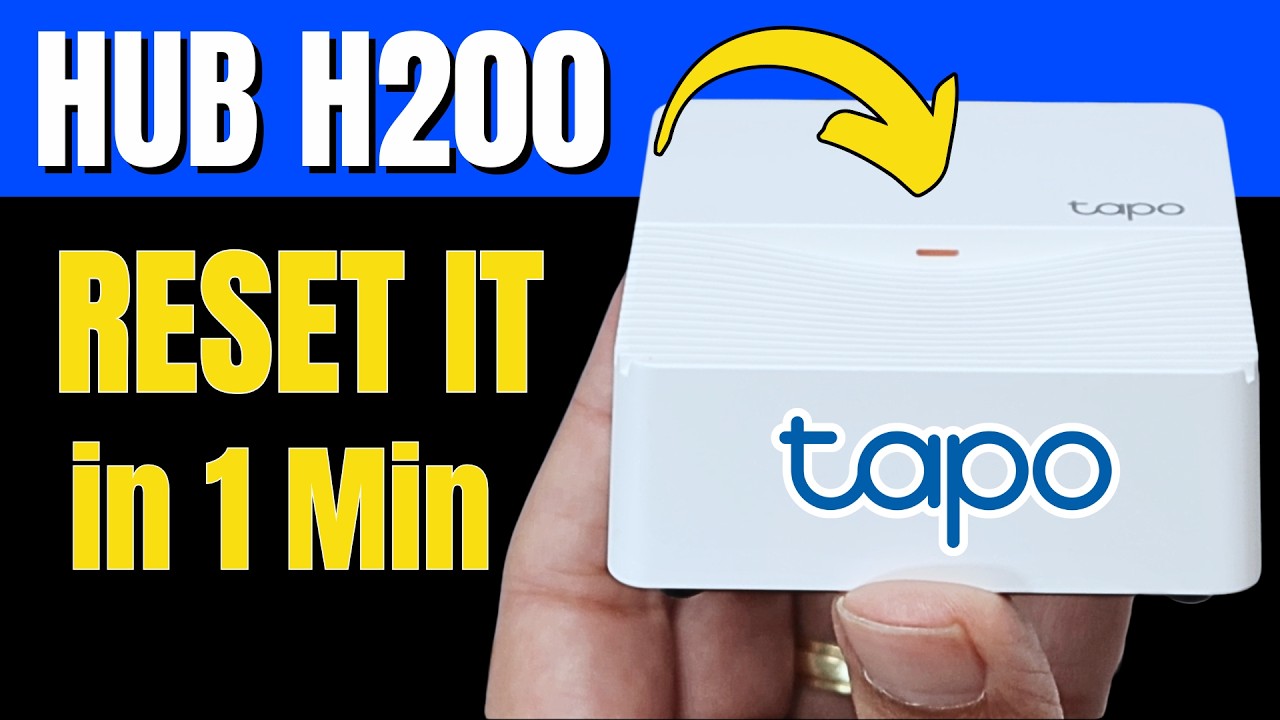
Table of Contents
Understanding the Smart Hub Offline Red Light
When your smart hub displays a red light and goes offline, it signals a critical problem. This indicator typically means the device has lost its connection to the internet or its central server. Consequently, all connected smart devices may become unresponsive, disrupting your home automation.
Furthermore, a red light can also suggest a power supply issue or a firmware malfunction. Identifying the exact cause is the first step towards a successful resolution. Therefore, a systematic diagnostic approach is essential to restore full functionality.
Initial Checks for Connectivity Issues
Before diving into complex solutions, perform some basic checks. Initially, ensure your smart hub is properly plugged into a working power outlet. A loose connection can easily trigger an offline status. Moreover, verify that your internet router and modem are online and functioning correctly.
Next, inspect all Ethernet cables connecting your hub to the router. Ensure they are securely seated at both ends. Sometimes, a simple reseating can resolve the problem. For example, issues similar to an Orbi Satellite Offline often stem from basic network faults.

Step-by-Step Smart Hub Offline Red Light Solutions
Addressing a Smart Hub Offline Red Light requires a systematic approach. Follow these steps carefully to diagnose and resolve the underlying problem. Each solution builds upon the previous, ensuring thorough troubleshooting.
Power Cycle Your Smart Hub and Network Equipment
The most common fix involves a power cycle. First, unplug your smart hub from its power source. Wait for at least 30 seconds. Subsequently, unplug your internet router and modem. Allow them to remain disconnected for a similar duration.
Finally, plug your modem back in, wait for it to fully boot, then your router, and then your smart hub. This process often clears temporary glitches and re-establishes network connections. It’s a fundamental troubleshooting step for many connectivity issues.
Check Network Connections and Wi-Fi
Ensure your smart hub has a stable network connection. If it uses an Ethernet cable, confirm it’s plugged directly into your router and not a faulty port. Alternatively, if your hub connects via Wi-Fi, verify your Wi-Fi network is broadcasting and accessible.
Furthermore, check if other devices can connect to your Wi-Fi. If not, the problem might lie with your router. Consider restarting your router again or checking its settings. Sometimes, a TLS Handshake Failed error can indicate deeper network configuration problems.
Update Firmware and Software
Outdated firmware can lead to connectivity issues and system instability. Access your smart hub’s companion app or web interface to check for available updates. Install any pending updates immediately. This often resolves known bugs and improves performance.
Moreover, ensure your smartphone or tablet app for the smart hub is also updated to the latest version. Incompatibility between app and hub firmware can sometimes cause communication breakdowns. Always keep your entire smart home ecosystem current.
Diagnostic Comparison Table
This table offers a quick comparison of common symptoms and their potential solutions for smart hub issues. Use it to quickly narrow down the cause of your connectivity problem.
| Symptom | Possible Cause | Recommended Action |
|---|---|---|
| Solid Red Light | No internet connection, server outage | Power cycle hub/router, check ISP status |
| Flashing Red Light | Firmware update in progress, pairing mode error | Do not unplug, wait for update; re-initiate pairing |
| No Light / Off | No power, faulty power adapter | Check power outlet, replace adapter |
| Devices Unresponsive | Hub offline, network congestion | Verify hub status, restart router, check Wi-Fi channels |
Understanding these indicators can significantly speed up your troubleshooting process. Consequently, you can address the root cause more efficiently.
Advanced Troubleshooting for Smart Hub Offline Red Light
If the basic solutions haven’t resolved the issue, consider these advanced steps. Sometimes, the problem requires a deeper dive into your network or device settings. Proceed with caution, as some steps may require re-configuration. Addressing a persistent offline status is crucial for smart home functionality.
Reset Your Smart Hub to Factory Settings
As a last resort, a factory reset can often resolve persistent issues. This action will erase all configurations and paired devices, returning the hub to its original state. Consult your hub’s manual for specific reset instructions, as the process varies by manufacturer. Furthermore, ensure you back up any critical settings if your hub supports it.
Be prepared to re-add all your smart devices and reconfigure your settings after a factory reset. While inconvenient, it frequently fixes stubborn connectivity problems. This is a common solution for many device errors, similar to resolving an MSI CPU Red Light by resetting BIOS. Consequently, this step should only be taken when all other options are exhausted.
Check for ISP or Manufacturer Outages
Occasionally, the problem isn’t with your equipment but with your Internet Service Provider (ISP) or the smart hub manufacturer’s servers. Visit your ISP’s website or social media for outage reports. Similarly, check the smart hub manufacturer’s status page or community forums for widespread issues.
If there’s a widespread outage, you may simply need to wait for services to be restored. There is little you can do on your end in such scenarios. However, staying informed helps manage expectations and avoids unnecessary troubleshooting. Therefore, always check external factors before assuming a device fault.
Review Network Configuration and IP Conflicts
Your smart hub requires a stable IP address to communicate effectively. Sometimes, IP address conflicts can cause devices to go offline. Access your router’s administration page to check DHCP settings and assigned IP addresses. Consider assigning a static IP to your smart hub if conflicts are suspected.
Moreover, ensure your router’s firewall isn’t inadvertently blocking your smart hub’s connection. Review firewall rules and port forwarding settings, if applicable. Incorrect network configurations can severely impede connectivity, leading to the dreaded red light status. Therefore, a thorough network review is often beneficial.
Preventative Best Practices
To prevent a recurring Smart Hub Offline Red Light, adopt these best practices. Proactive maintenance can significantly enhance the reliability and longevity of your smart home ecosystem. Consistency is key for optimal performance.
Firstly, ensure your smart hub is placed in a central location, away from obstructions and other electronics that might cause interference. Secondly, regularly check for and install firmware updates. Furthermore, invest in a reliable internet connection and consider a UPS (Uninterruptible Power Supply) for your network equipment.
For more general smart home insights and best practices, you might find TechRadar’s comprehensive smart home guide helpful. Finally, resolving a Smart Hub Offline Red Light ensures your smart home ecosystem functions seamlessly.
Frequently Asked Questions
Here are some common questions regarding smart hub connectivity and red light indicators. These answers provide quick solutions and further clarify potential issues.
Why is my Smart Hub showing a Smart Hub Offline Red Light?
A Smart Hub Offline Red Light typically indicates a loss of internet connectivity, a power issue, or a critical system error. This can stem from network problems, loose cables, or outdated firmware. Furthermore, server outages from the manufacturer can also cause this status.
How do I fix a Smart Hub that is offline?
To fix an offline smart hub, first power cycle the device and your router. Next, check all network cables for secure connections. Additionally, ensure your Wi-Fi network is operational and consider updating the hub’s firmware. If the problem persists, reset the hub to factory settings.
What does a red light on a smart device mean?
A red light on a smart device usually signifies a critical error or a lack of connectivity. Specifically, it often means the device cannot connect to the internet, its server, or other smart home components. This indicator serves as a visual alert for immediate troubleshooting.
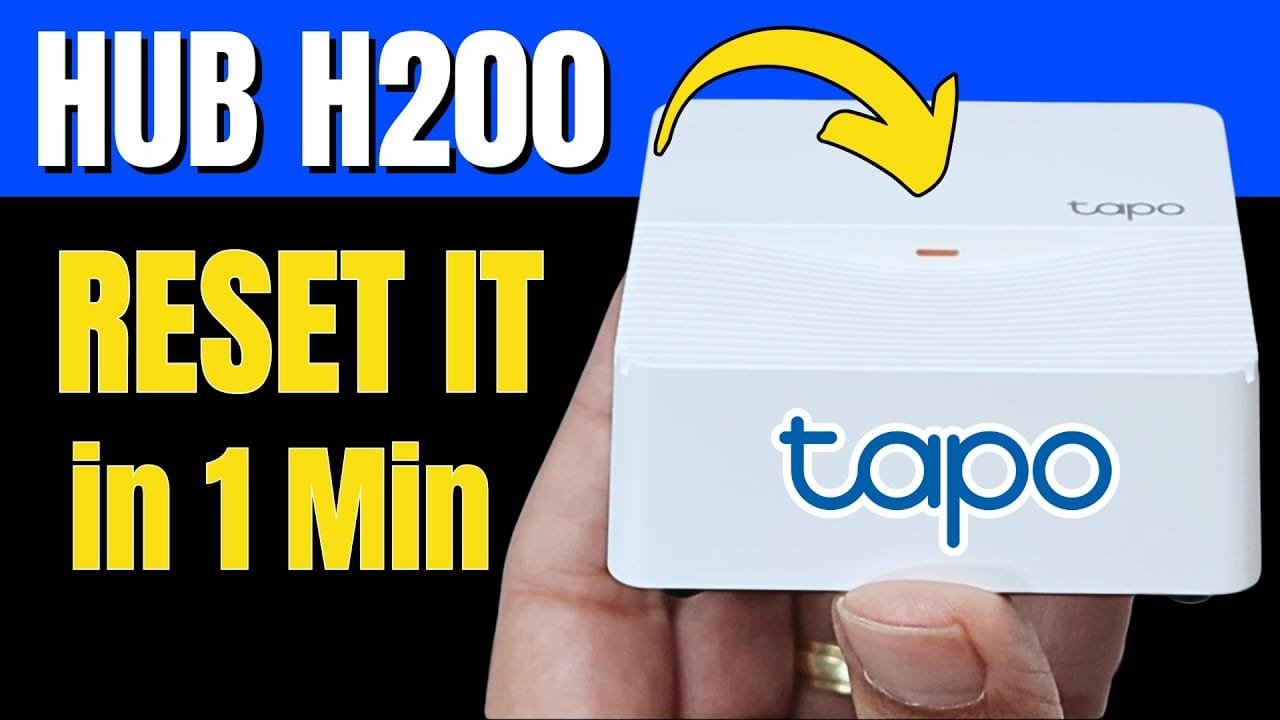
📺 Video Guide: How To Reset Tapo Smart Hub H200 – Quick Stap-by-Step!
Video walkthrough courtesy of Smart Devices Channel on YouTube. Follow along with the visual steps above.