A Redmi vs Poco camera comparison is essential for smartphone buyers searching for the best mobile photography in 2026. If you are evaluating a Redmi vs Poco camera setup before upgrading, this comprehensive guide provides detailed real-world tests, sensor analysis, and performance metrics.
Consequently, choosing between these two Xiaomi mid-range champions requires understanding how hardware hardware specifications translate into daily shooting scenarios. Furthermore, both devices target slightly different photography styles and software optimizations.
Table of Contents
- Understanding the Redmi vs Poco Camera Sensor Differences
- Evaluating Redmi vs Poco Camera Daylight Performance
- Low-Light and Night Mode Capabilities
- Video Recording and Stabilization Comparison
- Hardware Diagnostic Comparison Table
- Choosing the Best Redmi vs Poco Camera for Your Needs
- Frequently Asked Questions
Understanding the Redmi vs Poco Camera Sensor Differences
Initially, analyzing the underlying Redmi vs Poco camera hardware reveals two completely different imaging philosophies. The Redmi Note 13 Pro features a headline-grabbing 200 MP Samsung ISOCELL HP3 sensor. Specifically, this sensor measures 1/1.4 inches and utilizes multi-binning technology.
In contrast, the Poco X6 Pro utilizes a 64 MP OmniVision OV64B main sensor measuring 1/2.0 inches. Although it offers lower megapixel resolution, it relies heavily on the raw processing power of the MediaTek Dimensity 8300 Ultra chipset. Therefore, image processing speeds remain exceptionally quick.
Additionally, both phones incorporate an 8 MP ultrawide lens and a 2 MP macro lens. However, primary sensor optics differ substantially. For readers curious about screen visibility while framing shots outdoors, our OnePlus S24 Brightness comparison guide explains display outdoor visibility metrics.
Evaluating Redmi vs Poco Camera Daylight Performance
Specifically, in daylight testing, the Redmi vs Poco camera output displays distinct image processing signatures. The Redmi Note 13 Pro produces images with neutral color profiles, sharp textures, and vast dynamic range. Pixel binning compresses 200 million pixels into detailed 12.5 MP shots.
Furthermore, taking photos in full 200 MP mode on the Redmi device allows unprecedented zooming and cropping flexibility. Detail retention on foliage, architectural structures, and distant signs remains crisp without introducing noticeable digital artifacts.
However, the Poco X6 Pro takes a punchier approach to color science. Images exhibit higher contrast and saturated color profiles right out of the camera. Consequently, photos look immediately ready for social media publishing without extra editing steps.
Portrait mode edge detection on both units performs reliably. Nevertheless, the Redmi Note 13 Pro offers more realistic background blur depth gradients. Consequently, subject isolation appears more natural during outdoor portrait sessions.
Low-Light and Night Mode Capabilities
When daylight fades, physical sensor size becomes the dominant factor in photography quality. The larger 1/1.4-inch sensor on the Redmi Note 13 Pro captures significantly more optical photons than its competitor during dark exposure windows.
Therefore, night mode photos taken on the Redmi feature reduced shadow noise and better highlight control around streetlamps. Optical Image Stabilization (OIS) helps keep hand-held exposures steady for up to two full seconds without blurring.
On the other hand, the Poco X6 Pro relies heavily on multi-frame exposure algorithms. While dark areas are artificially brightened effectively, fine details like bricks or dark clothing can occasionally look soft or slightly smeared.
In addition, processing times for night mode shots are shorter on the Poco X6 Pro due to higher chip bandwidth. You can review official optical specifications on the GSMArena database for full hardware verification.
Video Recording and Stabilization Comparison
For video creators, frame rates and electronic stabilization implementation matter greatly. Both devices support 4K video recording at 30 frames per second on their primary camera modules. Furthermore, both devices integrate combined OIS and EIS systems.
Specifically, the Redmi Note 13 Pro delivers smoother panning motion and more consistent white balance during outdoor walking shots. Color transitions between bright skies and shaded paths occur seamlessly without exposure stepping.
Conversely, the Poco X6 Pro handles high frame rate 1080p recording at 60fps with slightly better computational sharpening. However, fast movement can occasionally trigger light focus hunting in complex lighting environments.
Additionally, microphone audio capture on both smartphones delivers clear vocal tracks with effective ambient noise suppression. Battery consumption during long 4K recording sessions is equally balanced. To understand mobile power efficiency during heavy camera use, read our Pixel vs iPhone Battery comparison guide.
Hardware Diagnostic Comparison Table
To summarize key optical parameters, review the comprehensive specifications table below before making your final purchasing decision.

| Camera Specification | Redmi Note 13 Pro | Poco X6 Pro |
|---|---|---|
| Main Sensor Resolution | 200 MP (Samsung HP3) | 64 MP (OmniVision OV64B) |
| Sensor Size | 1/1.4″ | 1/2.0″ |
| Aperture & OIS | f/1.65, OIS supported | f/1.79, OIS supported |
| Ultrawide Camera | 8 MP, f/2.2 (120° FOV) | 8 MP, f/2.2 (120° FOV) |
| Macro Camera | 2 MP, f/2.4 | 2 MP, f/2.4 |
| Front Selfie Camera | 16 MP, f/2.4 | 16 MP, f/2.4 |
| Max Video Resolution | 4K at 30 fps / 1080p at 60 fps | 4K at 30 fps / 1080p at 60 fps |
| Chipset Image Processing | Snapdragon 7s Gen 2 / Dimensity 7200 | MediaTek Dimensity 8300 Ultra |
Choosing the Best Redmi vs Poco Camera for Your Needs
Consequently, determining which Redmi vs Poco camera fits your budget depends on your primary photographic goals. If high optical resolution, realistic colors, and low-light photography are your priorities, the Redmi Note 13 Pro is the clear choice.
However, if you prioritize raw processing speed, vibrant social-ready colors, and heavy gaming performance Alongside casual photography, the Poco X6 Pro remains a powerful alternative.
Finally, both devices represent outstanding value in the 2026 mid-range smartphone market. Assess your personal photography style, evaluate our comparison metrics, and select the device that best aligns with your creative needs.
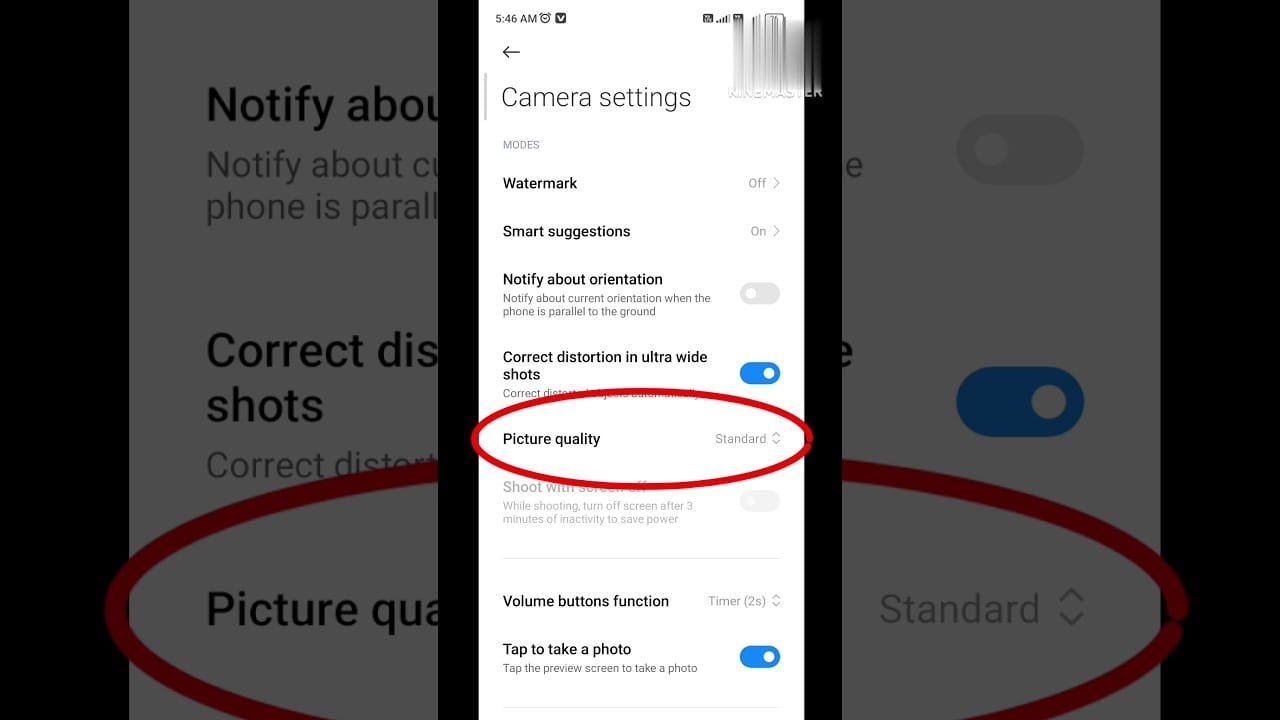
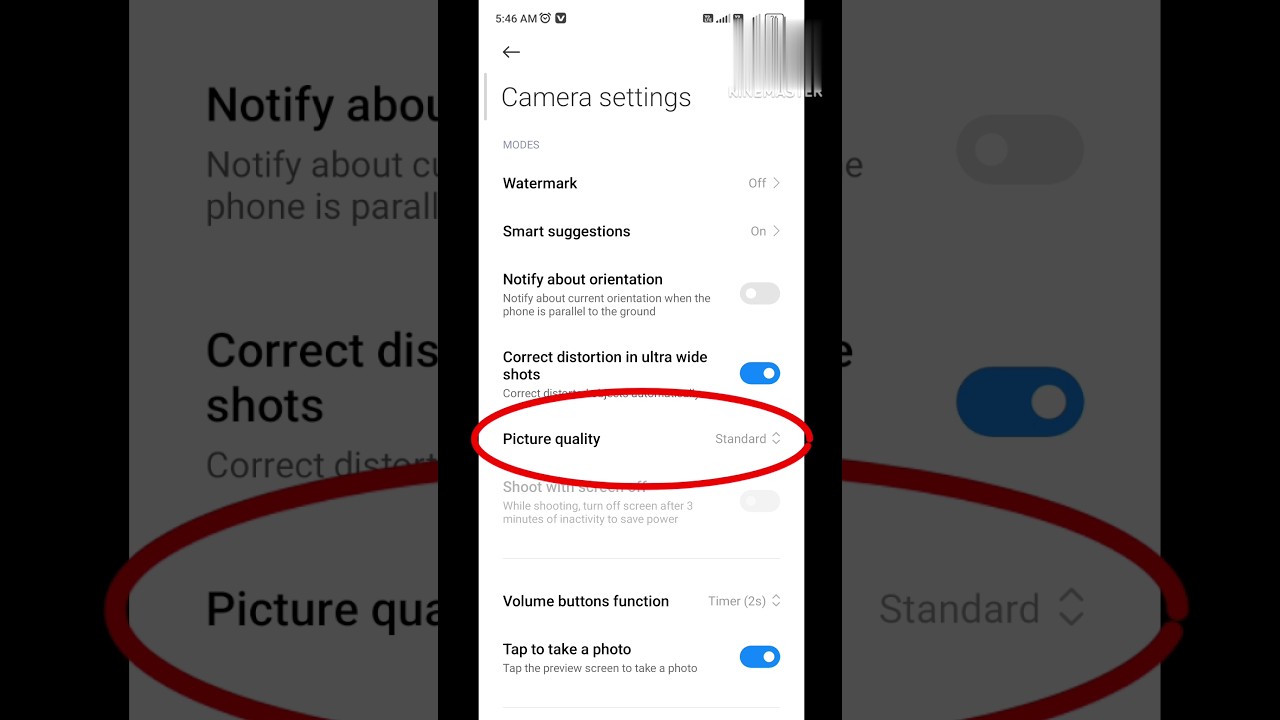
📺 Video Guide: 🔥camera picture quality in redmi ||💯 #camera #shorts
Video walkthrough courtesy of Tech Surya Bhai on YouTube. Follow along with the visual steps above.
{“@context”:”https://schema.org”,”@graph”:[{“@type”:”Article”,”headline”:”Redmi vs Poco Camera: 2026 Detailed Comparison Guide”,”description”:”Compare Redmi vs Poco camera specs, photo quality, and video performance in this 2026 guide.”,”author”:{“@type”:”Organization”,”name”:”JompaTech”},”publisher”:{“@type”:”Organization”,”name”:”JompaTech”}},{“@type”:”FAQPage”,”mainEntity”:[{“@type”:”Question”,”name”:”Which phone takes better night photos, Redmi Note 13 Pro or Poco X6 Pro?”,”acceptedAnswer”:{“@type”:”Answer”,”text”:”The Redmi Note 13 Pro produces clearer night photos with lower noise because of its larger 1/1.4-inch 200MP sensor.”}},{“@type”:”Question”,”name”:”Does Poco X6 Pro support 4K video recording with stabilization?”,”acceptedAnswer”:{“@type”:”Answer”,”text”:”Yes, the Poco X6 Pro supports 4K recording at 30fps with electronic image stabilization.”}},{“@type”:”Question”,”name”:”Is the 200MP camera on Redmi Note 13 Pro worth it over Poco X6 Pro?”,”acceptedAnswer”:{“@type”:”Answer”,”text”:”Yes, if you frequently crop photos, the 200MP sensor provides significantly higher fine detail.”}}]}]}