
The Windows 98 era began on June 25, 1998. It marked a significant shift for personal computers. This operating system, building on Windows 95, envisioned a future where the internet was central. For many users, it served as their first real introduction to the internet, linking early PCs to our always-connected digital world. It was a lively, often messy, time where “Plug and play” was frequently more of a dream than a reality.
Stepping Back into the Windows 98 Era
The late 1990s witnessed rapid advancements in computer hardware and the simultaneous growth of the internet. However, getting online was often challenging. Windows 98 was released to simplify the interaction between computers and the digital world for everyone. It aimed to be user-friendly and robust for families as PCs began moving into homes. The system also streamlined complex tasks, with a strong focus on web usage and overall ease of use—a defining characteristic of that period.
However, some initially viewed Windows 98 as merely a minor “tune-up” of Windows 95. Yet, it offered far more than simple updates, bringing significant improvements such as better file systems and enhanced device support. This crucial work advanced computing and laid the groundwork for emerging technologies.

The Internet Takes Center Stage during the Windows 98 Era
Windows 98 truly embraced the internet, integrating it directly into how users worked. This was a novel and debated choice for the Windows 98 era. For example, features like Active Desktop allowed users to place web content directly on their desktop, including live updates like news and weather. This clearly demonstrated Microsoft’s strong focus on the web. However, integrating these features sometimes slowed down the system, which characterized much of this early period.

Indeed, this close link with Internet Explorer 4.0/5.0 led to significant antitrust lawsuits against Microsoft. Companies like Netscape Navigator accused Microsoft of leveraging its market power to control web browsers. These legal battles profoundly shaped how software was sold during the Windows 98 era.
Furthermore, Windows 98 Second Edition (SE) introduced Internet Connection Sharing (ICS), a truly innovative and important feature. It allowed one computer with internet access to share its connection with other computers on the local network. This brought widespread internet access to homes and small offices during the Windows 98 era, helping establish today’s home networks.
Hardware Evolution and Plug-and-Play in the Windows 98 Era
Windows 98 also greatly improved hardware connectivity, coinciding with the rapid development of many new devices. This enabled easier interaction between computers and external peripherals, making “plug and play” more effective for users in the Windows 98 era.
A pivotal aspect of the Windows 98 era was its robust support for Universal Serial Bus (USB). Previously, connecting devices was often cumbersome, requiring a multitude of different ports. Windows 98, however, popularized USB by simplifying hardware installation for all users. By utilizing a single universal port, it helped devices like flash drives and webcams become commonplace.
Moreover, it also strongly supported the FAT32 file system. This allowed for larger and more efficient hard drive partitions, which were essential for the complex software and digital media emerging at that time.
For gamers, Windows 98 was significant because it included DirectX. This set of tools allowed games to interface directly with video and sound cards, simplifying game development and enhancing graphics and sound. Consequently, PC gaming became more popular.
Another key, though less obvious, component was the Windows Driver Model (WDM). WDM aimed to create a unified approach for driver development across all Windows versions. This led to improved, lasting driver support and consistent performance.

User Experience and Market Impact
In essence, Windows 98 significantly refined the Windows 95 experience. It offered an easier, simpler interface. Key improvements included a faster interface, a more flexible Start Menu, and enhanced utilities like Disk Cleanup. Windows Update also debuted for critical fixes and security enhancements. Multi-monitor support helped everyday users achieve greater productivity. All these changes profoundly shaped user interaction during the Windows 98 era.
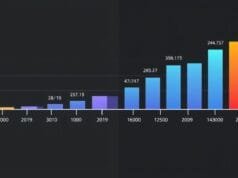
In the business sector, Windows 98 quickly found success. It sold 530,000 licenses in four days and 15 million within its first year, initially outpacing Windows 95 sales. However, Windows 95 still held most of the market, particularly in the corporate sector (57.4% for Windows 95 vs. 17.2% for Windows 98 in 1998). Nevertheless, its adoption steadily grew. By 2003, approximately 58 million users had adopted it, demonstrating its lasting impact as an operating system. The operating system proved instrumental in guiding users forward during the Windows 98 era.
Navigating the Challenges of Windows 98
Even with its improvements, Windows 98 faced clear problems and limitations. For example, frequent system crashes, often manifested as “Blue Screen of Death” (BSOD) errors, underscored its instability. These errors often stemmed from faulty drivers or hardware conflicts. Such events highlighted the fundamental architectural limitations of the Windows 9x design at the time. The Windows 98 era was often marked by these headaches.
Its new features and deep web integration demanded significant system resources. This often resulted in slow performance on older machines, frequently necessitating hardware upgrades for optimal operation. Additionally, the system had notable memory limits. For instance, it was prone to crashing when utilizing more than 512MB of RAM. The operating system also exhibited poor memory safety; consequently, a single misbehaving application could easily halt the entire system. These issues were common challenges of the Windows 98 era.
Beyond antitrust concerns, the deep integration of Internet Explorer into the OS caused significant security fears. Browser vulnerabilities could, therefore, compromise the entire operating system. These challenges, encountered throughout the Windows 98 era, provided crucial lessons. Ultimately, they paved the way for future OS designs that prioritized stability, speed, and modularity. This forward-looking approach significantly shaped the post-Windows 98 digital landscape.
Why the Windows 98 Era Still Matters Today
The Windows 98 era remains a significant and valued chapter in computer history. It served as a crucial bridge, connecting mid-90s desktop computers to the device-rich, internet-connected world of the 2000s. During this pivotal period, it helped establish foundational features we still utilize today, including robust USB support, multi-monitor capabilities, and advanced gaming tools. In this regard, it seamlessly introduced innovations that would define the future.
For retro computing enthusiasts, the Windows 98 era represents a cherished piece of history. It serves as a reminder of a simpler, yet rapidly evolving, technological age. The era provides a tangible link to the past, vividly illustrating the accelerated pace of technological advancement.
However, it’s crucial to understand the security implications of the Windows 98 era today. Regular support ended in 2002, and extended support finished in 2006. Consequently, a Windows 98 machine is highly vulnerable to modern digital threats. Furthermore, it lacks compatibility with contemporary hardware and software, making it unsuitable for daily use in the present.

Preserving the Past: How to Experience Windows 98 Today
To safely experience the Windows 98 era today, virtual machines (VMs) offer the most accessible solution. Software such as VirtualBox, for instance, allows users to install Windows 98 in a separate, isolated environment. This setup is ideal for exploring its classic interface, applications, and games without compromising a modern computer.
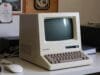
For dedicated enthusiasts, running Windows 98 on original, period-correct hardware provides the most authentic experience of the Windows 98 era. While sourcing the correct components can be challenging, doing so offers an immersive experience of the era. This includes the distinct sounds of vintage hard drives and the unique visual quality of CRT monitors.
The End of an Era, The Start of Another
The Windows 98 era was brief yet profoundly important. It fundamentally shaped our modern approach to internet usage and hardware integration. It also demonstrated the powerful synergy between software and the burgeoning web. Its contributions were pivotal in democratizing personal computing and internet access.
Ultimately, official support for Windows 98 concluded, and the subsequent transition to the Windows NT core proved to be a necessary advancement, leading to Windows 2000 and XP. Overall, Windows 98 imparted several crucial lessons. These encompassed both the advantages and disadvantages of deep internet integration, the importance of robust hardware support (especially for USB), and the challenge of introducing new features without compromising system stability. Windows 98’s significant impact truly endures, continuing to shape the digital world we experience today.