
Imagine a world without your smartphone, your car, or even a simple spoon. It’s hard to imagine, right? Indeed, the history of technology is an epic story, showcasing how human cleverness has shaped our world. Technology, simply put, is more than just gadgets. Rather, it encompasses all the tools and methods humans have created. These help solve problems. They also make life easier. What’s more, they extend what we can do. Consequently, this amazing journey of new ideas goes back millions of years. It has deeply changed who we are. It has also changed how we live.
From the first stone tool to today’s complex digital networks, technology has always been with us. It has helped human progress. Moreover, it’s a story of smart ideas, hard work, and new discoveries. This story unfolds every day. Therefore, learning about this rich history of technology helps us see where we started. It also shows us where we might go.
Early Human Ingenuity in the History of Technology
Our story of tools begins long before written records. This was during the Stone Age. Specifically, staying alive then required smart thinking. It also required the skill to make basic tools from what was available. Indeed, you can see it as humanity’s very first workshop for making things. Consequently, the early history of technology really starts here, with simple tools.
Crafting Early Stone Tools: An Origin in Technology’s History
About 2.5 million years ago, in what is now Ethiopia, early humans began to use stone tools. Initially, these were not complex tools. Instead, they were simple “choppers” and “scrapers.” People used these tools to cut up animal bodies or to break bones. Indeed, this Oldowan tool-making was a key moment. It showed people planned to make things. They did more than just use what they found. Ultimately, this time is key to the history of technology as we know it.
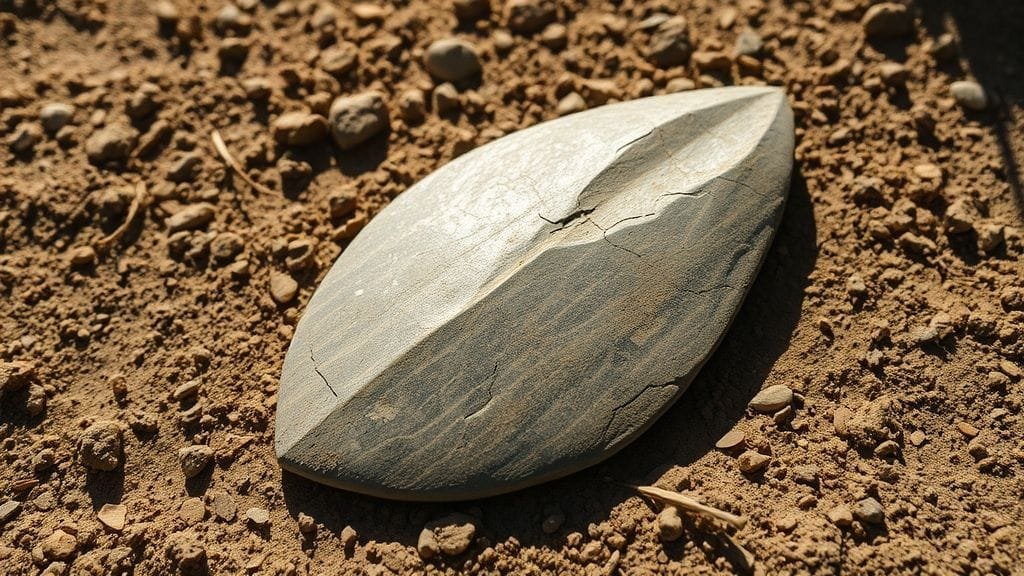
Later, about 1.6 million years ago, a new idea emerged: the Acheulean hand axe. By contrast, these tools were much more refined. They were often tear-drop shaped. Additionally, they were carefully flaked on both sides. These tools showed people better understood shape and use. Furthermore, humans were now thinking ahead. They planned how to make their tools.
These early tools did more than just help with daily tasks. Crucially, they also changed how our brains grew. They helped us solve problems and think in complex ways. This was a real teamwork between mind and hand. It helped our ancestors move forward significantly. Therefore, this time shows a basic step in the history of technology, connecting early tools with brain growth.

Fire: A Pivotal Innovation in Technology’s Story
Perhaps one of the most important early tools was fire. Learning to control and use it was key. In fact, evidence suggests Homo erectus might have used fire 1.5 million years ago. This was more than just warmth. It was a huge change. For instance, fire kept people safe from predators. It also allowed for light in dark caves. Moreover, it helped early human groups gather together.
Cooking also became possible with fire. This started about 500,000 years ago. Consequently, cooked food is easier to digest. Our ancestors got more nutrients from their food. This change likely helped grow bigger brains that needed more energy. Such growth also helped us make new things. Therefore, fire gave comfort. It also played a big part in how our bodies changed over time. Learning to use it well is a key step in the history of technology.
Other important innovations came after. For example, clothing, made at least 170,000 years ago, kept people safe from bad weather. Subsequently, specialized tools appeared. Examples include harpoons (from 90,000 years ago) and bows and arrows (from 70,000 years ago). These improvements helped people hunt better. They also helped ancient groups live longer.
Agricultural Innovations: Reshaping Society in the History of Technology
About 10,000 years ago, a huge change happened. It was called the Neolithic Revolution. Specifically, this involved creating farming tools and methods. Instead of always hunting and gathering, humans learned to grow plants. They also learned to tame animals. Consequently, people could settle in one place. This led to villages. Over time, it led to complex groups of people.
This farming revolution brought many other new ideas. For instance, people made irrigation systems. These watered crops dependably. Similarly, ways to store food, like pottery, became vital to save crops. Furthermore, the need to manage land and goods created new social groups. It also led to early forms of government. Indeed, this time set the base for human society as we know it, marking a major shift in the history of technology.
Ancient Civilizations: Key Technological Developments
Once people settled, they could focus on specific jobs. They could also make better tools. In particular, great ancient cultures, like Mesopotamia and Rome, became strong centers for new ideas. These cultures built upon Stone Age foundations. Moreover, they found new ways in building, communicating, and using natural resources. Ultimately, this time is a key part of the wider history of technology.
Transformative Milestones in Early Technology
The wheel was invented in Mesopotamia around 5000 BC. This invention changed everything. Specifically, it completely changed how things moved. Such innovation made it easier to move heavy goods and people. Crucially, it boosted trade. It also helped early cities get bigger. Think about how it changed buying and selling, and how people connected. Indeed, this was a very important time for ancient tools and methods.
Mesopotamians were also pioneers in working with metals. They started using bronze. As a result, the Bronze Age, from about 2300 to 700 BC, saw widespread use of bronze. It was used for tools, weapons, and even art. This metal, being stronger and lasting longer, proved much better than stone tools. In fact, its adoption meant better farm tools, as well as better weapons and stronger buildings.
After this came the Iron Age (700-450 BC). This era brought metal that was even stronger and more common. Significantly, iron tools and weapons cost less to make than bronze ones, making them accessible to more people. Consequently, this greatly changed warfare, farming, and daily life in many large areas, propelling the history of technology forward even faster.

Writing and Water Management: Ancient Pillars of Innovation
Besides metals, ancient cultures introduced other key tools. Among these, writing systems were likely the most important way to share information. Different cultures created them independently. These systems let people write down laws, stories, and scientific facts. Consequently, this ability to save and pass on complex facts through time fostered more learning and new ideas. Ultimately, it also deeply shaped the early history of technology.
These water systems were amazing feats of engineering. Indeed, builders showed they knew a lot about moving water by what they built. These systems let many people live in one place. Subsequently, they helped bigger and more complex groups of people thrive. Overall, these advancements show key parts of the history of technology.
The Roman and Greek cultures, meanwhile, were masters of building and engineering. Roman aqueducts brought clean water to cities. Their roads linked a huge empire. Think of the Colosseum or the Parthenon. These huge buildings show how smart ancient people were. Specifically, their ways of using concrete and arches are still praised today. These methods show their high level of practical skill.
Medieval and Early Modern Eras: Pivotal Periods in Technology History
The time between the end of the Roman Empire and the start of the Industrial Age is often called the Middle Ages and early modern period. This era was not a quiet time for new tools. Instead, it saw big steps forward. These built on old knowledge. They also prepared the way for future big changes. Crucially, many of these new ideas aimed to make things work better and share information more widely. This added many important parts to the history of technology.
Harnessing Natural Energy: A Key Aspect of Technology’s History
In the Middle Ages, people started using natural power sources a lot. Water mills, for instance, became common in Europe. They ground grain and performed other factory-like jobs. In fact, by 1086, records show thousands of water mills operating in Great Britain alone. This wide use showed people knew a lot about how machines work and how liquids move.
Similarly, windmills also became more popular. This was especially true in places where water did not flow steadily. These ingenious machines used wind power for similar jobs. Consequently, they freed people and animals from hard work, leading to more things getting done. The shift to these power sources was a key step in building up industries, even if people did not use that name then.
These steps forward in generating power meant jobs could be done faster and for more people. Subsequently, they laid some of the groundwork for the more complex machines of the Industrial Revolution. Therefore, this time shows big steps in the continuing history of technology.
The Printing Press: A Turning Point in Information Technology History
One invention was very important during this time: Johannes Gutenberg’s printing press. He made it in the mid-1400s. Prior to this, people copied books slowly by hand. They were few, so they were rare and costly. Consequently, only rich and powerful people had most knowledge. These limits were a big problem for the history of technology then.
The printing press changed everything. In essence, it allowed many books to be made at once, making knowledge much easier to get and cheaper. Indeed, think how this changed education, science, and public discourse. Ultimately, it gave facts to many people. Ideas could spread fast across countries. These changes started revolutions in thinking. They questioned old rulers. Moreover, they gave power to people through learning. Indeed, the press greatly moved forward the history of technology for communication.
Having many printed items also helped more people learn to read. This helped create a more informed public. Furthermore, it linked smart thinkers, spread holy books, and helped share scientific discoveries. Ultimately, the printing press caused huge changes in society. It made way for the Age of Enlightenment and what came after.

The Industrial Revolutions: Accelerating the History of Technology
The mid-1700s brought a time of huge steps forward in tools. This was known as the Industrial Age. Specifically, this time saw big changes in manufacturing, power, and communication. It changed economic systems and societies all over the world forever. Therefore, it was truly a time when people learned to harness immense power. The history of technology really jumped ahead then.
Steam Power: Driving the First Industrial Wave in Technology’s History
The First Industrial Revolution began in the late 1700s. Steam mainly powered it. Undoubtedly, James Watt’s much improved steam engine was the most famous invention of this time. This innovation changed how things were made. Machines took over work from people and animals. Consequently, its wide use led to more factories. This was very true in making cloth. It also led to making many goods at once. Furthermore, the engine changed how industries worked, speeding up the history of technology.
The steam engine also changed how things moved. For instance, steamboats could travel on rivers and oceans better. Steam trains made railway systems possible. These linked cities and helped trade on a huge level. Suddenly, raw goods could move to factories. Finished goods could be sent out far and wide. Indeed, this greatly sped up how fast economies grew. It also spurred more people to move to cities, pulling them from farms into factory towns.
This first wave of factory growth changed society itself. Initially, for example, it made new jobs in factories. Yet, problems came up. These included harsh working conditions for many. Still, it is clear that this time set the base for today’s factory-based economic systems. This makes it a key part in the history of technology.
Electricity and Steel: Innovations in the History of Technology
The 1800s saw the Second Industrial Revolution (about 1860s-1914). This brought even faster innovations. In particular, this time saw big steps in chemicals, electricity, oil, and steel tools. For instance, the Bessemer process made steel much cheaper and easier to make. This stronger, more useful material transformed building. It led to tall buildings and huge bridges. Moreover, steel pushed the history of technology even further.
Electricity became a new, strong source of power. Consequently, new things like the telegraph and telephone deeply changed how we communicate. They made it possible to send messages far away almost right away. Truly, these tools made the world feel smaller. They linked people in ways no one had thought possible. Clearly, these were big additions to the history of technology.
These tools made daily life much better. For instance, electric lights made workdays longer. They lit up cities. New chemical methods, moreover, made medicines and man-made materials. Overall, the Second Industrial Revolution deeply changed industries. It helped connect the world. It also brought in many parts of modern life we still know today.
The Digital Revolution: Modernizing the History of Technology
The mid-1900s started our current time of technology. This is the Information or Digital Age. Indeed, this time we are in sees a huge, fast rise in new tools. Electronics and computers power it. It’s a time of quick change. What was amazing yesterday is normal today. Indeed, this shows what the contemporary history of technology is about.
Transistors & Personal Computers: Core Digital Technologies
The transistor was invented in 1947. This was a huge step forward. Essentially, this tiny electronic switch took the place of large vacuum tubes. Its creation made electronic devices smaller, stronger, and more dependable. Consequently, how important this step was is truly hard to overstate. Without the transistor, today’s computers would not exist. Indeed, this innovation changed digital tools forever.
This innovation directly led to personal computers. In short, devices that once filled whole rooms now fit on a desk. This change gave computer power to single people. Admittedly, these early personal computers were basic compared to today’s. Yet, they started a huge change in how people worked, played, and handled information. Such tools let people do a lot more work and be very creative. As such, they are key to the recent history of technology.
Making these devices smaller and more powerful also led to more new ideas. Therefore, this constant drive for smaller, faster, and better electronics became a key part of the digital age. Consequently, it meant tools could be used in more parts of daily life.
The Internet’s Rise: A Defining Moment in Technology’s History
Computers gave us power to process things. The World Wide Web linked them all. Tim Berners-Lee invented it in 1989. Indeed, this change completely remade how we share facts and link globally. Suddenly, anyone with a computer and internet could get a huge amount of facts. Therefore, the internet changed communication, trade, and learning very quickly. It reshaped the core of the history of technology.
This era saw quick growth of mobile tools. Specifically, powerful computers became easily accessible in our pockets. Furthermore, social media sites appeared. They changed how people talked across the world. Consequently, linking with friends, family, and strangers across lands is now very easy. This has deeply changed culture, politics, and group actions.
The internet made the world feel smaller. It also made it more connected. In essence, it let everyone get facts and allowed people to work together worldwide. Moreover, its effect on almost every part of modern life is clear. The internet shapes how we learn, work, and have fun. It is a key part of the modern history of technology.

Emerging Technologies: AI and the Internet of Things
The digital age keeps changing fast. Indeed, right now, we see a huge rise of Artificial Intelligence (AI) and the Internet of Things (IoT). AI, once only in sci-fi, is now everywhere. It’s in search engines and helps find illnesses. In fact, AI promises to do tasks by itself. It also looks at huge amounts of data. Furthermore, it can even make new kinds of content. Therefore, these trends are key to the current history of technology.
The Internet of Things means a huge network of physical items. These items have sensors, software, and other tools built into them. They link up and share data using the internet. For instance, imagine smart homes, connected cars, or even smart cities. These devices collect and share information constantly. They make a smooth digital world that reacts to what we need. Ultimately, these new ideas are shaping the very newest parts of the history of technology.
New tools are ready to bring another set of big changes. Specifically, they promise to work better. They also promise personal experiences and totally new capabilities. However, these new ideas also bring up big questions about privacy, ethics, and future jobs. Society is busy dealing with these issues. Indeed, careful thought is key as these tools keep changing.
Technology’s Profound Societal Impact
Technology and society affect each other in two ways. They rely on each other deeply. On one hand, technology influences society. Conversely, society, in turn, shapes technology. This strong back-and-forth has led to both huge progress and big problems through time. Ultimately, knowing how they affect each other is key to studying the history of technology.
Economic Drivers: Technology’s Impact Throughout History
New tools are a main driver of economic growth. Specifically, they create totally new businesses. For example, software development or green energy fields. These new businesses make new jobs and money. For example, think how cars led to car manufacturing. The automobile also led to building roads and many other businesses. This chain reaction is a strong force. It deeply changes the economic parts of the history of technology.
However, tools can also cause job losses. Automation, for example, can mean less need for people in some areas. Such loss of jobs makes societies need to change. This necessitates teaching workers new skills. They also need to handle the change in a good way. Therefore, finding a balance between new ideas and their human cost is always hard. Careful plans and looking ahead are needed. These changes are a key part of the economic side of the history of technology.
Ultimately, tools always change how we work. For example, jobs change with our tools. They went from manual labor in fields to factory lines. Now they are about mental work and making things online. This constant change needs people and groups to be flexible. It also needs them to keep learning.
How Technology Shapes Our Lives, Learning, and Connectivity
Tools have deeply changed almost every way humans communicate. The printing press, for instance, helped ideas spread. It shaped politics and religious groups in the past. Similarly, today, social media sites link billions of people. They change everything from daily news to worldwide political protests. These changes show a main part of the history of technology.
Travel has also changed a lot. People used to travel by foot and horse. Now they use trains, cars, and planes. As a result, trips that took months now take only hours. This widens our views. It helps people around the world understand each other. Sometimes, such connectivity also makes cultures more alike. Furthermore, schools have changed with digital tools. They give access to learning materials all over the world. These advancements greatly improve the history of technology.
Simply put, our daily lives are full of tools. Specifically, technology changes how we talk with family. It also affects how we buy food. It influences how we get health care. Moreover, it even changes how we have fun. These shifts are so deep that we often don’t see them. We just accept them as normal. This ubiquity defines much of the modern history of technology.
The Environmental Footprint in the History of Technology
While tools offer many good things, making and using them often brings big costs to nature. For example, many ways of using tools make pollution. This goes from factory waste to carbon gases. These add to changes in the Earth’s weather. For instance, burning coal and oil, which was key for factories, has harmed our planet for a long time.
Furthermore, tools can use up natural resources. Digging out metals, minerals, and rare elements for electronics harms nature. Similarly, the huge amount of electronic waste, or e-waste, also makes it harder to throw away and reuse things. This means as we make new things, we must also think about keeping things going for the future. This two-sided nature is a growing worry in the history of technology.
These environmental problems are leading to new waves of tools and ideas. Such initiatives focus on clean energy, making things in a lasting way, and cutting down trash. Therefore, this shows we urgently need to make tools in a careful way. Such efforts make sure that progress does not hurt our planet forever.

Ethical Crossroads in the History of Technology
New ideas often bring up hard questions about what is right. They can directly change what society holds important. For instance, think about discussions on how well people work. Tools can make us work faster and longer. Such demands can cause stress and tiredness. They also start discussions about balancing work and life. These ethical problems are a key part of the ongoing history of technology.
Bioethics gives another strong example. Specifically, new steps in gene editing and AI make us face deep questions. These include what it means to be human. They also cover how far we should intervene and what might happen by mistake. Who controls these powerful technologies? For what purpose?
These ethical thoughts are not just ideas. Instead, they influence public rules. They also change what companies should do. Furthermore, they change what individuals choose. Society must always have thoughtful discussions. This helps guide tool-making in a way that fits our shared values. It also helps people live well. Therefore, continuous dialogue is key.
Understanding Technology’s History: Beyond Determinism
When we look at the history of technology, it’s easy to think tools just tell us our future. However, this idea is called technological determinism. But experts on technology history now take more careful views. These researchers look past such simple ideas. They know that the story of tools is much harder to explain. It also involves more people working together.
Science, Society, Innovation: Technology’s Intertwined History
While people often see tools as science put to use, its history is deeply tied to economic history. It is also tied to culture and choices people make. Indeed, tools don’t just appear on their own. Instead, technology is something humans do. It is shaped by human needs, wants, and choices. Societies decide which tools to put money into, make, and use. This complex link is key to knowing the history of technology.
Some say technological determinism is not enough. Furthermore, this idea misses human choice. Instead, people now focus on how science, tools, and society affect each other. This view stresses that they “depend on each other” and “make things together.” For example, a society’s culture might affect if it uses a new invention. At the same time, that invention might then change those same cultural values. Therefore, it’s a changing relationship.
Think of it as a dance that never stops. Each partner changes what the other does. Specifically, tools give new powers. But society decides how, why, and if those powers are used. This way of thinking helps us understand new ideas much better. It sees it as a complex event linked to people and culture. Such knowledge makes our view of the history of technology richer.
Diverse Voices and Hidden Costs in Technological History
Modern studies also point out key facts. Notably, older, more cheerful stories of tool progress often missed these. For instance, how gender and racial unfairness shaped the history of technology is now more widely known. Who invents things? Who gains most from new ideas? Which groups are left behind or treated as less important?
For a long time, people ignored stories of women inventors. They also ignored tools from cultures outside the West. Now, however, researchers try to find these different voices. Additionally, seeing their key effect is a main goal. This wider view gives us a fuller, more true picture of how tools grew through history. It makes our understanding of the history of technology better.
Furthermore, smart people now focus more on seeing the costs to nature and society. People often missed these costs in the past. Such thoughts include discussions about workers being used unfairly during the Industrial Revolution. Or, about how taking natural resources affected native groups. By looking closely at these costs, we can aim for fairer technological futures that last. Ultimately, this critical view adds depth to learning about the history of technology.
The Accelerating Pace of Technology: A Snapshot
One key thing about tool history is how much faster change happens now. Indeed, what once took thousands of years now takes just tens of years, or even single years. This fast pace of new ideas shapes our current time, proving how much the dynamic history of technology keeps moving.
Consider these facts: It took millions of years for early humans to learn to use fire well. In contrast, the leap from the first powered flight to a moon landing took only 66 years.
This acceleration is particularly evident in the digital age. Therefore, here is a snapshot of just how quickly things are moving:
| Metric | 1984 | 2005 | 2014 | 2024 (Approx.) | 2025 (Projected) | 2030 (Projected) |
|---|---|---|---|---|---|---|
| US Households with PC | 8.2% | N/A | N/A | N/A | N/A | N/A |
| World Stored Info (Digital) | N/A | N/A | >99% | N/A | N/A | N/A |
| Global Internet Users | N/A | 1 billion | N/A | N/A | 5.64 billion | N/A |
| Global Mobile Phone Users | N/A | N/A | N/A | N/A | 5.81 billion | N/A |
| IoT Devices | N/A | N/A | N/A | 18.8 billion | N/A | 40 billion |
| AI Market Value (USD) | N/A | N/A | N/A | N/A | $390 billion | $1.8 trillion |
| Data Created Daily (Approx.) | N/A | N/A | N/A | >300 exabytes | N/A | N/A |
The Accelerating Pace of Technological Change
Data points compiled from research summary.
These numbers show a deep change. We moved from a mainly old-style world to a very connected, digital one. For example, the huge amount of data being made is amazing. It brings both big chances and problems for keeping, checking, and keeping data private. Consequently, this trend keeps changing what the history of technology means.
The very fast growth in areas like AI and IoT shows no signs of getting slower. Therefore, new tools in the future will likely keep changing our world faster and faster. As a result, knowing their past and what they might mean is even more important. Indeed, such knowledge is key to guiding the future of the history of technology.

Looking Ahead: The Ongoing History of Technology
The history of technology truly shows how humans keep trying to invent, change, and create new things. Tools have always pushed human progress. Its power goes from the first simple stone tools, made for living, to the complex digital worlds that now shape our lives. Technology has always pushed what can be done. Moreover, it has also let us get past problems and reach new high points.
However, this journey is not close to being finished. As we deal with the complex digital age and the rise of advanced AI, we always face both huge chances and big problems. For this reason, our choices today about how we make and use new tools will shape the world for future generations. Therefore, knowing a lot about technology’s past is not just a school task. It is a key guide for our future. The continuing history of technology needs us to think deeply.
What do you believe is the most significant technological invention in human history, and why? Share your thoughts in the comments below!