
Consumer tech holding patterns are fundamentally reshaping the electronics market today. Users now deliberately extend their devices’ lifespans, moving past previous rapid upgrade cycles. This significant shift stems from improved product quality and a maturing innovation cycle. Furthermore, increasing economic pressures and growing environmental awareness also contribute. Consequently, this trend profoundly impacts manufacturers, retailers, and policymakers alike. Therefore, everyone is navigating a market where longevity often triumphs over rapid consumption. Understanding these crucial patterns is essential. It helps us grasp personal technology’s future and its broader societal implications.

The Shifting Landscape: Redefining Device Longevity
For decades, the electronics industry thrived on a specific model. This model focused on planned obsolescence and continuous upgrades. Consumers, in fact, expected groundbreaking innovations with each new product cycle. Consequently, their current devices often felt outdated quickly, sometimes within a year or two. This rapid turnover fueled immense industry growth. Moreover, it created a culture of disposability. Gadgets were seen as temporary tools; they were quickly replaced by newer, shinier versions. This trend was especially clear in mobile technology. For example, a new Apple iPhone or Samsung Galaxy launch often triggered an immediate desire for an upgrade, hindering device longevity.
However, this paradigm has begun to erode. The market now prioritizes endurance and sustained utility. Users are increasingly seeking devices with long-term value. Therefore, they resist upgrading unless a truly compelling reason appears. This shift shows a maturation of the consumer electronics market. It moves away from novelty-driven consumption. Instead, it favors a more considered and sustainable approach to technology ownership. Specifically, the “new normal” for many consumers is to maximize their existing electronics’ utility and device longevity. This challenges long-held industry assumptions. It also fosters new expectations for product durability and support. This emerging trend represents a significant change in consumer tech holding patterns.
Quantifying the Shift: Unpacking Consumer Tech Holding Patterns
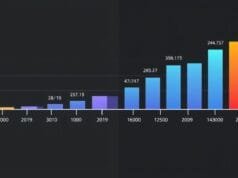
Users are now keeping devices longer. This anecdotal evidence is, furthermore, backed by strong statistics. Across various product categories, replacement cycles have clearly lengthened. This indeed shows a widespread shift towards extended device ownership. These consumer tech holding patterns are reshaping market dynamics.

Smartphones: Shifting Tech Upgrade Cycle Changes
Smartphones once symbolized frequent upgrades. Now, however, they show a significantly extended lifespan, reflecting new consumer tech holding patterns. For example, the global average replacement cycle for these ubiquitous devices hit 3.6 years in 2023. This is a substantial leap from a decade ago. In 2013, the average was a mere 2.4 years. In the United States, consumers hold onto their smartphones for 2.5 to 3.5 years on average. Furthermore, some reports suggest well-maintained iPhones are kept even longer. Especially with trade-in programs, they last nearly four years before replacement. Consequently, incremental upgrades from companies like Apple and Samsung no longer provide enough incentive. Many users therefore keep their perfectly functional devices, indicating a clear move toward delayed device replacement.

Laptops: Built for Extended Device Use
Laptops, key tools for work and leisure, also show greater device longevity. For instance, most consumer-grade models now last 3 to 5 years. Business models, however, are built for higher durability. Thus, they typically last longer, 5 to 7 years. Premium brands, such as Apple’s MacBook Pro series, are positioned as long-term investments. With proper care and occasional software updates, these machines reliably serve users for up to a decade. This, therefore, demonstrates exceptional value and durability, supporting extended device use.
Tablets: Adapting to Longer Gadget Lifespans
Tablets enjoy a longer average lifespan than smartphones and laptops. They typically remain in active use for 5 to 7 years. Their complementary role means less daily wear. This is true compared to a primary smartphone. Thus, robust construction and consistent performance extend their utility, leading to longer gadget lifespans.
Desktop Computers: Exemplifying Electronics Retention
Desktop PCs hold the longest lifespan among personal computing devices. Their modular design contributes significantly to this device longevity. This design allows for easier component upgrades and repairs. Users often keep desktops for 3 to 8 years. Moreover, with diligent maintenance, their functional life can extend further. This includes strategic component replacements, like new graphics cards or additional RAM. Operating system updates also help foster strong electronics retention.
Smart TVs: Leading the Way in Device Longevity
Among consumer tech products, Smart TVs show the longest expected lifespan. On average, these devices serve households for about 6.5 years. Their generally stationary nature contributes to this extended device use. Furthermore, their robust build helps. Also, their core functionality (displaying content) evolves stably. Thus, smart TVs are a significant investment. Consumers therefore expect to keep them for an extended period, reflecting sound consumer tech holding patterns.

Emerging Technologies: A Nuanced View on Consumer Tech Holding Patterns
While the overall trend shows longer consumer tech holding patterns for mature technologies, emerging categories are different. Products like smart home devices and wearables evolve rapidly. Therefore, they show a higher anticipated upgrade rate. About 52% of smart home owners and 55% of wearable owners expect to upgrade to the next generation. This often happens before their current device malfunctions.
Smartwatches, for example, frequently last only 2 to 3 years. Battery degradation often causes this shorter cycle. It impacts user experience and device utility. Moreover, rapid introductions of new features, like health monitoring and connectivity, encourage earlier upgrades, contrasting with broader device longevity trends.
Conversely, Smart Home Assistants typically last 3 to 5 years. This includes devices powered by Amazon Alexa or Google Assistant. Their reliance on evolving AI and cloud services influences their upgrade cycle. Additionally, sometimes limited repairability contributes to this trend, affecting overall electronics retention.
In contrast, Smart Thermostats can have a much longer lifespan. They often last around 10 years. Their core functionality is stable. Furthermore, their durable design contributes to this impressive device longevity.
This distinction highlights an important point. The macro trend shows extended device retention. However, the pace of technological evolution still influences upgrade behavior. Furthermore, specific product vulnerabilities, such as battery life, play a role. This is especially true in newer, less mature markets where tech upgrade cycle changes are more frequent.
The Multifaceted Drivers of Consumer Tech Holding Patterns
The shift in consumer behavior is not accidental. Instead, it results from several powerful, interconnected factors. Collectively, these reduce the incentive for frequent upgrades. These drivers reflect intrinsic technological improvements. Additionally, they reflect broader economic and social considerations, all contributing to current consumer tech holding patterns.
1. Improved Durability and Performance: Fuelling Device Longevity
Modern electronic devices are simply built better. Manufacturers have invested significantly in materials science and engineering. This results in more robust and resilient products. For instance, smartphone screens now use advanced glass technologies. Corning Gorilla Glass, for example, offers enhanced resistance to scratches and drops. Furthermore, many devices boast official IP ratings. These ratings ensure water and dust resistance, reducing damage from everyday accidents. This directly supports device longevity.
Beyond physical durability, core component performance has peaked for many users. Processors from leading manufacturers, like Qualcomm’s Snapdragon series or Apple’s A-series Bionic chips, are incredibly powerful. They deliver ample speed and capability. Therefore, they handle daily tasks, demanding applications, and even advanced gaming for several years. Consumers report little reason to replace a device. This is true as long as it remains in good physical condition and performs reliably. Ultimately, this sustained performance directly translates into a longer perceived useful life and reinforces extended device use.

2. Slower Pace of Innovation: Driving Tech Upgrade Cycle Changes
A significant factor driving longer consumer tech holding patterns is a slowdown in revolutionary innovation. The days of annual “must-have” upgrades are largely behind us. These once introduced new functionalities, like touchscreens or app stores. High-speed mobile internet was another example. Today’s product releases often feature incremental improvements instead. These include a slightly better camera, a faster processor, an updated aesthetic, or new software capabilities.
These enhancements are valuable, certainly. However, they rarely offer the “wow factor” that once compelled consumers. Previously, people rushed to buy the latest model. For many, new features do not fundamentally change device interaction. They also don’t significantly improve daily experience enough to justify an upgrade. Thus, this market maturity means existing devices remain perfectly adequate. This reduces the urgency for frequent replacements, leading to tech upgrade cycle changes.
3. Economic Pressures: A Key to Delayed Device Replacement
Economic considerations play a powerful role. They often decide consumers’ choices to delay tech purchases. The price of flagship electronic devices has steadily climbed. Smartphones, in particular, often cost over $1,000 for premium models. This increased upfront cost, moreover, strains household budgets. It is coupled with broader economic concerns. These include inflation, rising interest rates, and general uncertainty. This financial pressure directly contributes to delayed device replacement.
Many consumers simply choose to save money. They extend the life of their current devices. Furthermore, many users keep devices long after they are paid off. This often happens via carrier contracts or financing plans. Reducing monthly expenses by avoiding a device payment is a powerful incentive. This encourages delayed device replacement. In an era where every dollar counts, financial prudence often outweighs the allure of a new gadget.
4. Enhanced Software Support: Enabling Extended Device Use
Another critical development contributes to device longevity. Manufacturers are committed to providing longer software and security updates. Companies like Apple, Google (for Android), and Samsung increasingly extend their support windows. Therefore, even older smartphone models still receive crucial security patches. Often, they also get major operating system updates for several years post-release.
Extended software support ensures devices remain functional. Furthermore, they stay secure against evolving cyber threats. This greatly enhances their usable life and promotes extended device use. A device without current security updates, for example, quickly becomes a liability. For users, knowing their device will remain protected is key. Compatibility with new applications also matters for an extended period. This reduces pressure to upgrade just for functionality or security.
5. Growing Environmental Consciousness: Boosting Electronics Retention
Rising awareness of e-waste’s environmental impact influences consumer decisions. It affects purchasing and retention. A growing global movement promotes sustainability. Many individuals therefore actively seek more environmentally responsible choices. This includes extending the lifespan of electronic devices. Consequently, they reduce their personal contribution to the e-waste problem. This increased focus on eco-responsibility strongly supports electronics retention.
Environmental organizations, like Greenpeace and the Ellen MacArthur Foundation, have raised public awareness. They highlight resource depletion and pollution from electronics manufacturing and disposal. This educational effort empowers consumers. It shows that keeping a device longer lessens their ecological footprint. For many, the desire to contribute to a healthier planet is a powerful motivator. This helps them resist the impulse for frequent, unnecessary upgrades. This mindful approach contributes to longer gadget lifespans.

A Greener Footprint: Environmental Benefits of Longer Gadget Lifespans
The shift toward longer consumer tech holding patterns is not just economic or technological. It is, furthermore, an environmental imperative. Extending electronic devices’ lifespan offers substantial benefits for the planet. This directly addresses some of our most pressing ecological challenges, including the imperative for longer gadget lifespans.
Significant Reduction in E-waste
The most immediate benefit of longer device usage is reduced e-waste. E-waste, specifically discarded electrical or electronic devices, is the fastest-growing global waste stream. Statistics are alarming; the world generated a record 62 million metric tons in 2022. This marks a staggering 82% increase since 2010. Alarmingly, only a meager 22.3% was formally collected and recycled. The vast majority ends up in landfills. There, toxic materials like lead, mercury, and cadmium can leach into soil and groundwater. This poses severe threats to human health and ecosystems. Promoting device longevity is key.
Less frequent upgrades directly decrease this hazardous waste stream. Each device kept active for an additional year or two, for example, means one less device for landfills. It also avoids unregulated and environmentally damaging dismantling operations. Thus, this simple act of extending a device’s life has a cascading positive effect. It eases pressure on waste management systems. Furthermore, it mitigates widespread pollution, demonstrating the clear benefits of extended device use.

Conservation of Precious Resources
Manufacturing new electronics is a resource-intensive process. It requires vast energy and many natural resources. Many of these resources are finite and difficult to extract. Critical components rely on precious metals and rare earth minerals. These include cobalt, lithium, gold, tin, copper, and palladium. Mining these materials often has severe environmental consequences. This leads to habitat destruction, deforestation, soil erosion, and water pollution. Furthermore, extraction can be linked to ethical concerns, such as poor labor practices and human rights abuses. This highlights the importance of electronics retention.
Reducing the demand for new devices decreases the demand for raw materials. This, in turn, helps conserve valuable natural resources. It also lessens the environmental and social impact of their extraction. A longer product lifecycle, therefore, means fewer resources are pulled from the Earth. This promotes a more sustainable model of consumption and production, driven by device longevity.
Lowering the Carbon Footprint
Electronics’ environmental impact extends beyond disposal. The production phase of a device, notably, is its most carbon-intensive part. For a typical smartphone, manufacturing accounts for 70% to 80% of total lifetime carbon emissions. This includes energy for mining raw materials and refining them. It also covers fabricating components, assembling the device, and global transport. The push for longer gadget lifespans directly addresses this.
Therefore, extending a device’s life offers substantial climate benefits. Research shows that extending a smartphone’s life by just one year can cut its lifetime CO2 emissions by a third. This happens because the manufacturing’s embedded carbon footprint spreads over a longer use period. By delaying a new device purchase, consumers directly reduce greenhouse gas emissions. This aligns with global efforts to combat climate change. Longer device retention is a powerful, yet often overlooked, tool against environmental degradation.
Industry in Flux: Adapting to New Consumer Realities
Widespread adoption of consumer tech holding patterns creates challenges. However, it also presents new opportunities for the electronics industry. Manufacturers, retailers, and even policymakers face rethinking traditional business models. Consequently, they must embrace more sustainable practices.
Manufacturers’ Strategic Shifts
Electronics giants once relied on high-volume sales and frequent upgrades. This model is shifting as consumers keep devices longer. Manufacturers must now maintain profitability in a slower market marked by significant tech upgrade cycle changes.
Consequently, many manufacturers diversify revenue streams. They focus on software services like subscriptions, cloud storage, and accessories. This strategic shift generates crucial recurring income, helping maintain profitability despite fewer device upgrades and evolving consumer tech holding patterns.
Manufacturers also prioritize device longevity and repairability. They use resilient materials and modular designs, making components accessible. Companies expand repair services and make spare parts available. Self-repair programs, like Samsung’s, empower consumers to extend device lifespans, furthering extended device use.
Sustainable practices gain traction. Brands promote recycled content and energy-efficient manufacturing, appealing to eco-conscious consumers. Trade-in programs encourage responsible upgrades, providing credit for old devices and fostering a circular economy, supporting electronics retention.
Navigating Ongoing Challenges
Despite these innovative approaches, manufacturers face significant hurdles. For instance, they must balance constant innovation with the desire for product device longevity. Additionally, managing component obsolescence is complex. Furthermore, maintaining healthy profit margins within a less frequent upgrade cycle remains a challenging task amidst changing consumer tech holding patterns.
Retailers’ Evolving Role
Retailers also feel the impact of longer consumer tech holding patterns. They face challenges in managing inventory. Predicting demand is, therefore, more difficult. Maintaining foot traffic is another issue. Consequently, their traditional role as a transactional point for new purchases is evolving.
Retailers are adapting their focus. Specifically, instead of just selling boxes, stores now provide detailed product information. They offer hands-on experiences and expert advice. Consequently, retailers aim to be technology destinations. Here, consumers can learn and explore, contributing to more informed delayed device replacement decisions.
Some retailers are downsizing physical spaces. With fewer impulse upgrades, they thus optimize store footprints. Simultaneously, they significantly bolster their e-commerce platforms. They also enhance omnichannel strategies, adjusting to the new realities of tech upgrade cycle changes.
Retailers actively promote trade-in and refurbished options. Indeed, they participate in trade-in programs. They also often sell refurbished devices. This caters to budget-conscious consumers. It also serves environmentally aware consumers seeking value and sustainability, fostering extended device use.
Many retailers emphasize services and support. They are expanding their offerings, for example, setup assistance. Technical support and protection plans are also included. This, therefore, adds value beyond the initial sale, contributing to overall device longevity.

Policymakers and Environmental Organizations: Champions of Longevity
Policymakers and environmental groups promote device longevity. They recognize its environmental and economic benefits. The “Right to Repair” movement, for instance, gains global traction. It pushes for legislation. This ensures manufacturers provide spare parts, manuals, and tools. EU nations lead with repairability laws; U.S. states like New York and California also have them.
Governments also implement eco-design regulations. These set minimum standards for durability, efficiency, modularity, and recyclability. The EU Ecodesign Directive is a key example. Furthermore, Extended Producer Responsibility (EPR) programs hold manufacturers accountable. They cover products’ entire lifecycles. This incentivizes easier recycling, reuse, and repair, all aiming for longer gadget lifespans.
Additionally, consumer education is vital. Environmental groups and government bodies teach about extending device lifespans. Campaigns highlight how choices impact e-waste and carbon emissions. These efforts collectively aim for a more sustainable, circular economy. Products will be designed for durability, ease of repair, and recycling, not rapid disposal, solidifying consumer tech holding patterns.
Challenges and the Path Forward
The trend of consumer tech holding patterns offers many benefits. However, it also brings challenges. Consumers may face diminishing performance with older devices. This is often due to battery degradation or slower processing for new applications. Furthermore, software obsolescence can frustrate users. Manufacturers eventually stop critical updates, risking security or compatibility.
For manufacturers, balancing innovation and growth with longer product lifecycles is key. This demands re-evaluating business models. Investments are needed in robust design, repair services, and service-based revenue. Rapid technological advancements mean components quickly become obsolete. This makes long-term repair support a complex logistical task. The industry must adapt to fostering device longevity while remaining competitive.
Looking ahead, the circular economy movement will likely accelerate, emphasizing waste reduction and resource maximization through repair, reuse, and recycling. Governments, industry, and consumers will collaborate more, designing products for device longevity. They will also build robust repair ecosystems and recycling infrastructure. Future electronics will be powerful, innovative, and inherently sustainable, reflecting a commitment to environmental stewardship and economic prudence, and solidifying longer gadget lifepanS.
Conclusion
The emergence of consumer tech holding patterns marks a pivotal moment. It is a powerful indicator of a maturing market. The allure of novelty is, therefore, giving way to a pragmatic approach. Consumers are now more conscientious about technology ownership. This shift is driven by enhanced device quality. A measured pace of innovation also contributes. Pressing economic realities and heightened environmental awareness play roles too. Consumers are making deliberate choices to extend their gadgets’ lives. This indicates a strong preference for extended device use.
This profound shift carries significant implications. It impacts technology manufacturers’ and retailers’ profitability and strategies. Crucially, it also affects our planet’s health. By reducing e-waste and conserving vital resources, longer device lifespans help. They also mitigate carbon emissions. Ultimately, this contributes to a more sustainable future. Challenges remain in balancing innovation with longevity. However, the trend pushes the industry toward more durable, repairable, and responsible products. The era of rapid disposability is waning; a new era of thoughtful, sustainable tech consumption and electronics retention is rising.