Understanding generational performance comparison offers invaluable insights into progress and efficiency. These performance benchmarks, therefore, function as essential scorecards. They accurately measure how well different entities or systems operate across time. We commonly apply such comparisons to technology; for instance, we evaluate new innovations against their older versions. Similarly, examining how various age groups perform specific tasks offers valuable demographic insights. This detailed analysis, consequently, helps us identify significant changes, emerging trends, and areas for improvement. Ultimately, understanding these comparisons empowers better strategic decision-making in diverse professional and personal fields.

1. Understanding Generational Performance Comparison
1.1. Core Concepts and Terms in Generational Performance Comparison
Performance benchmarks give us clear numbers. Specifically, you use them to size up a business. Alternatively, you check a process or a person. Undoubtedly, they show you how good something is. Thus, we can see if it meets set goals. Moreover, you compare it to others in its field. Indeed, it’s a key way to judge how things go, especially when conducting a thorough generational performance comparison, offering invaluable insights into progress and efficiency.
We have many kinds of benchmark tests. For instance, process benchmarks look at how you do things. This means watching your work steps. Conversely, performance benchmarks check products or services. Subsequently, they see how good your goods are. Additionally, strategic benchmarks note how others win. Therefore, we learn from their good moves, enabling better strategic decision-making.
This idea of “generations” means two big things. For instance, it’s about tech products. For example, think of new phones versus old ones. Certainly, they change fast. Specifically, it’s about people at work. Indeed, this means Baby Boomers, Gen Z, and more. Hence, their work styles differ. Consequently, we must look at both areas for a full generational performance comparison.
1.2. Latest Trends and Multi-Generational Benchmarks (Late 2024/Early 2025)
Tech has made big, fast jumps. Indeed, NVIDIA’s Blackwell tech is much faster now. Furthermore, it’s 15 times better for AI tasks. Clearly, this beats the Hopper line by far. Moreover, Intel’s new Arc GPUs also show great power. Specifically, their Battlemage chips work great here. As a result, they give more speed for less energy. Thus, this helps many PC users, highlighting significant generational performance comparison improvements.

A detailed infographic comparing the performance improvements of NVIDIA Blackwell AI chips versus their Hopper predecessors, specifically highlighting a 15x boost for AI tasks. Include visual elements like circuit boards, glowing AI neural networks, and a clear percentage increase graphic.
The RTX 5090 card gives a huge boost. Additionally, it works best at high screen settings. Furthermore, newer chips also have AI parts built in. Consequently, they make things run fast and cool. Therefore, we get smooth use with low power. Eventually, this makes daily tasks easy.
Indeed, let’s talk about workers at jobs. Specifically, Millennials will lead the pack by 2025. Subsequently, they’ll make up 75% of all workers. However, old workers stay longer now. Thus, they bring good company know-how to us. Conversely, younger workers ask for purpose. Additionally, they also care about mental health. Therefore, this changes how workplaces feel for all. Indeed, it truly shifts the whole mood, making generational performance comparison of workforce trends crucial.

An illustration of a vibrant, multi-generational workplace where employees of different age groups (e.g., a Baby Boomer mentor, a Gen X manager, a Millennial team lead, and a Gen Z intern) are engaging in a collaborative discussion around a digital display. The image should visually represent the diverse skills and motivations impacting generational performance comparison within a modern office setting, emphasizing inclusion and shared purpose.
1.3. The Evolution and History of Cross-Generational Performance Analysis
The idea of benchmarking isn’t new at all. In fact, it dates back many, many years, as detailed in The Evolution and History of Cross-Generational Performance Analysis. Previously, in the 1800s, people watched rivals. Moreover, they copied good ways of making things. For example, Francis Lowell and Henry Ford did this. Additionally, the word “benchmark” itself is very old. Specifically, it meant a fixed mark to check heights. Consequently, this helped builders greatly.

A historical timeline infographic depicting key milestones in the evolution of benchmarking, from early industrial comparisons (like Francis Lowell’s mill) to the modern era with Xerox’s strategic benchmarking in 1979 and the conceptualization of Moore’s Law in 1965. Include iconic imagery like an early textile mill, a vintage Xerox copier, and a microchip.
Modern ways started with Xerox. Previously, in 1979, they saw a big problem. Specifically, Japanese firms sold copiers super cheap. As a result, Xerox found their costs were too high. Therefore, they studied other firms closely. Subsequently, this helped them make things better. Indeed, Gregory H. Watson showed its path well. Furthermore, he noted five phases of study. Thus, these steps brought big changes, laying the groundwork for modern generational performance comparison techniques.
Tech speeds up, too, you know. In fact, Gordon Moore noted a trend in 1965. Specifically, this is Moore’s Law. Subsequently, chip power would double every two years. Moreover, this often came with no extra power use. However, this ‘Dennard scaling’ stopped around 2010. Nevertheless, chips still grow, but a bit slower now. Consequently, this means tech keeps moving, constantly redefining the scope of generational performance comparison in hardware.
2. Perspectives and Debates on Generational Performance Comparison
2.1. Expert Opinions on Both Sides of Cross-Generational Performance
Hardware experts know chips well, you see. For CPUs, cores are not the only thing. Furthermore, IPC, cache size, and new codes also help. Indeed, they bring more speed. Conversely, GPUs get better with new designs always. For instance, Nvidia’s Ada Lovelace adds new tricks. Additionally, AMD’s RDNA 4 and Intel’s Xe3 do too. Moreover, these add ray-tracing and AI power. Consequently, they make things run much faster. Specifically, experts also check AI systems. Therefore, they look at speed, memory, and power use. Ultimately, this guides new chip making for all, informing the ongoing generational performance comparison in tech.

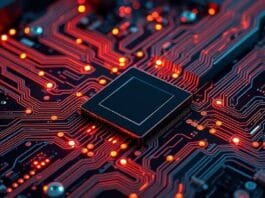
A photorealistic image of a sleek, futuristic computer chip glowing with intricate neural network patterns, symbolizing advanced AI processing and generational performance comparison in hardware. The chip is viewed from a slightly elevated angle, emphasizing its complexity and power efficiency.
Work experts see big shifts in staff. Consequently, they say managers must get all groups. Specifically, tech use, social views, and core values vary. Therefore, bosses should change how they talk. Furthermore, they should also change how they lead teams. As a result, this helps everyone do their best work. Moreover, it builds a good place for all. Ultimately, this makes work better for everyone, especially when considering generational performance comparison in team dynamics.
Benchmarking experts want real tests. Indeed, they push for new methods always. For instance, these tests show how AI works in life. Specifically, they check speed when many use it. Consequently, MLPerf is one such good test. Therefore, it helps us check AI chips fairly. Thus, this gives true, good numbers.
2.2. Diverse Ideas and Discussions on Generational Performance Comparison
Are Performance benchmarks truly useful for us? However, some say lab tests aren’t real life. Specifically, they don’t always show how users feel. Indeed, this is true with many users or tasks. Furthermore, people also argue about age group labels. Consequently, these labels might make simple mindsets. Moreover, they can hide how people truly differ. Therefore, we must note this point when discussing generational performance comparison in the workforce.
Is Moore’s Law still alive? In fact, experts argue about this point. For instance, Nvidia’s Jensen Huang said it’s dead. This was in September 2022. However, Intel’s Pat Gelsinger did not agree. Specifically, chip makers see slower growth since 2010. Moreover, it’s a bit slower than Moore’s Law said. Consequently, this makes us all wonder about the future of generational performance comparison for semiconductors.
Workforce groups are often US-based. However, their names might not fit other lands. Additionally, other places have other big events. Therefore, the labels don’t always mean much. Indeed, we must be very careful here.
2.3. Industry Insights and Academic Studies on Multi-Generational Benchmarks
Companies want very fast computers now. Consequently, this pushes chip makers forward. Specifically, GPUs and AI parts are hot items. Moreover, their market will grow a lot. Furthermore, firms use AI chips for deep learning. Thus, they aim for top speed and low energy. Ultimately, this helps them stay ahead.
Studies on worker age groups show why they matter. Indeed, they can help teams work better. However, these groups also have issues. For instance, they may face bad talks or tech gaps. Additionally, work-life wants also differ greatly. Nevertheless, people are all very unique. Therefore, you need to treat each person well. Ultimately, this helps all staff thrive, and contributes to the ongoing research into generational performance comparison in organizational settings.
3. Practical Applications and Best Practices for Generational Performance Comparison
3.1. Case Studies and Examples of Cross-Generational Performance in Action
Tech sites often check new GPUs. Consequently, this helps buyers choose new cards. For example, a new GPU can be much faster. Specifically, it gives 38% to 71% more power. However, this depends on the specific cards. Furthermore, MLPerf helps check AI systems. Moreover, it checks chips for many tasks. Thus, this guides both hardware and software. Ultimately, it helps them work as one, providing concrete data for generational performance comparison.
PwC mixed old and young workers well. For instance, Millennials brought tech smarts. Conversely, Baby Boomers shared life wisdom. As a result, they made new solutions together. Additionally, Johnson & Johnson used mentorship. Specifically, young staff learned from older staff. Consequently, this made them happier and closer. Furthermore, Whirlpool offered flexible hours. Thus, this helped them get young talent. Moreover, Starbucks even taught older staff new tech. Therefore, young staff learned service skills well. Ultimately, this made all better.

An illustrative graphic demonstrating successful multi-generational collaboration strategies in action, featuring scenarios like a senior employee mentoring a junior colleague, a cross-generational team brainstorming with tech, and flexible work arrangements. The visual should highlight how these practices positively influence generational performance comparison and overall team synergy, possibly using connecting lines or puzzle pieces.
3.2. Effective Methods for Multi-Generational Benchmarking
For hardware tests, use good tools. Indeed, you must be smart here. Furthermore, this is crucial for accurate generational performance comparison.
- Use Standard Tests: Specifically, tools like SPEC CPU2000 are good. Consequently, MLPerf is great for AI jobs. Therefore, they make results fair and clear for all.
- Mix Tests: For example, use some tests for raw power. Geekbench and Cinebench show speed. Also, use real tests like games. Thus, this gives a full picture.
- Keep Things Equal: Specifically, always use the same setup. Furthermore, this means same parts and same software. Consequently, this makes true checks possible.
- Check Many Things: Don’t just look at speed. Specifically, check power use, memory speed, and how it grows. Indeed, this is key for AI parts.
- Test Live Use: For AI, test speed with users. Furthermore, check how fast it feels for one person. Ultimately, this shows real-world use better.

A clean, modern laboratory setting with various computer hardware components (CPUs, GPUs, motherboards) meticulously set up on test benches, connected to monitoring equipment. Transparent screens display real-time performance metrics and benchmark results, emphasizing the precision and objectivity required for effective generational performance comparison in technology.
For managing people at work, act well. Additionally, this also applies to a fair generational performance comparison.
- Be Flexible: For instance, change how you check work. Some like formal talks. Conversely, others like quick chats.
- Teach Each Other: Pair up old and young staff. Indeed, they can teach each other new things.
- Give Right Feedback: Specifically, match how you give feedback. What helps one group might not help another. Consequently, this is a key insight for successful generational performance comparison in HR practices.
- Build Good Culture: Make a place of respect. Furthermore, let everyone speak openly. Thus, this stops issues.
- Use Tech Tools: HR software helps track work. Moreover, it makes feedback clear for all.
3.3. Challenges and Solutions in Generational Performance Comparison
Hardware tests face common problems. Indeed, you must know them for effective generational performance comparison.
- Comparing Apples and Oranges: It’s hard to check unlike things.
- Fix: Furthermore, use standard tests. Additionally, always write down your steps clearly.
- Fast Bursts vs. Steady Work: Some chips are fast for a short time. However, they slow down with long use.
- Fix: Specifically, use tests that run a long time. Moreover, check how heat affects them.
- Complex New Chips: New chips are more than just speed. In fact, they have many smart parts inside.
- Fix: Additionally, look at chip facts too. Furthermore, explain new chip ideas well.
Workplace issues also show up often. Consequently, addressing these challenges is part of comprehensive generational performance comparison.
- Talking Style Gaps: For example, people talk in different ways. Old staff like face-to-face. Conversely, young staff like digital.
- Fix: Moreover, offer many ways to talk. Additionally, ask what people like best.
- Tech Skill Gaps: Old staff may need help with new tech. Conversely, young staff may miss old ways.
- Fix: Furthermore, run joint training. Specifically, let young teach old, and old teach young.
- Work-Life Wants Vary: Some want long hours. Conversely, others want more free time.
- Fix: Thus, offer choices like work from home. Ultimately, this helps meet all needs.
- Feedback Likes Differ: Some want yearly talks. Conversely, others want quick tips. Consequently, this differing preference influences how feedback is perceived and impacts any generational performance comparison.
- Fix: Additionally, show why changes are good. Moreover, let staff help plan them. Furthermore, give good training.
4. Future Outlook: Emerging Trends in Generational Performance Comparison
4.1. New Trends and What We Think Will Happen
Hardware will get more AI inside. Specifically, chips will have special AI parts. Consequently, they will make things faster and save energy. Furthermore, quantum computers will come by 2030. Indeed, they will change science and secrets. Moreover, new stuff like nano tech will bring super-fast chips. Additionally, it will also bring better batteries. Subsequently, Edge computing and 5G will grow fast. Thus, they will make apps fast and close to users. Clearly, this is key for AR and VR. Finally, chips will keep getting new designs. Specifically, they will add special parts for more speed, constantly shifting the landscape for generational performance comparison, representing significant changes, emerging trends.

A visionary illustration depicting the future of computing, featuring a translucent quantum computer glowing with entangled qubits, alongside advanced AI-powered microchips integrated into various smart devices (e.g., a self-driving car sensor, a smart city drone). The image should convey rapid technological advancement and the impact of these innovations on future generational performance comparison.
In the workplace, Gen Alpha will come soon. Indeed, they were born 2013-2025. Furthermore, they will bring fresh views. Additionally, AI and robots will reshape jobs. However, they won’t just take them away. Moreover, flexible work will be the norm. For instance, remote work will be common. Consequently, this will make work styles more alike. Specifically, people will learn from all ages. For example, young staff will teach AI. Conversely, old staff will share wise ideas. Undoubtedly, mental health will stay a big topic. Thus, young groups make this a key focus for all, ensuring future generational performance comparison includes these vital elements.
4.2. New Ideas and What Might Change
New tools for benchmarks will come. Specifically, AI will help make them smart. Consequently, they will learn how you use things. Thus, this will give better real numbers. Furthermore, hardware and software will work closer. Indeed, they will build them together. Moreover, this will unlock all the power, creating more sophisticated approaches to generational performance comparison.
Workplace performance will be custom. Additionally, AI will help here too. Specifically, it will give each person special plans. Moreover, feedback will fit each person. Furthermore, this works for any age group. Subsequently, work tech will get smarter. Indeed, it will help all groups talk well. Consequently, it will also help with skills.
4.3. What Experts Think
Experts see tech moving fast now. Indeed, AI, machine learning, and IoT drive this. Furthermore, GPUs will power games and data centers. Consequently, the market for AI parts will boom. Moreover, at work, mixed-age groups are key. Specifically, good leaders will help them thrive. Thus, they will use smart ways to lead. Ultimately, this helps firms grow strong.
5. More Ideas: The Big Picture
5.1. Related Topics
Chip design is super vital here. For CPUs, IPC and cache matter. Furthermore, for GPUs, core design and memory bandwidth help. Moreover, new parts for ray tracing or AI are key. Additionally, power use is also very big. Previously, old chips aimed for more speed with same power. However, this is less true now. Consequently, new chips aim for low power. Specifically, this helps phones and big servers greatly, driving the need for continuous generational performance comparison in semiconductors.
Software also boosts power, you know. Indeed, good code helps chips run fast. Furthermore, compilers and OS matter a lot. Therefore, new chips need new software. Ultimately, this makes all parts work their best. Clearly, it makes them fly.
Culture shapes people’s work well. Specifically, what happened when they grew up matters. Indeed, this includes money, tech, and big events. Consequently, these shape how they act at work. Moreover, this has a deep, lasting effect, providing crucial demographic insights.
5.2. How It Compares to Other Ideas
Benchmarking is not goal setting. Specifically, goals are things you aim for. Conversely, benchmarks check how you actually did. Thus, they use a set point to compare, aiding in generational performance comparison.
Age group traits are general ideas. However, each person is very unique. Therefore, good managers know both general and specific needs. Ultimately, they blend these views well.
Internal checks help one company. Conversely, external checks look at rivals. Specifically, they show how you stand in the market. Therefore, this tells you your spot.
5.3. Bigger Ideas and Effects
Better performance helps all of us. Indeed, this has broad implications.
- Money Grows: Fast tech makes new things. Furthermore, this helps make more goods. Consequently, it helps the economy grow. For example, Moore’s Law shows this link.
- Life Changes: Fast tech brings new powers. Specifically, AI and IoT change how we live. Moreover, they change jobs and how we talk.
- Work Groups: Knowing age groups helps work go well. Thus, it helps hire, keep, and train staff. Furthermore, it helps leaders too. However, bad handling causes fights. Conversely, good handling makes strong teams, proving the value of generational performance comparison.
- Buyers: Age group facts help firms. Specifically, they can sell things people want. Moreover, they can make good ads.
- Right and Wrong: As tech moves fast, new questions arise. For example, think about AI and data rules. Additionally, treat all age groups fairly at work. Indeed, this is very important.
Frequently Asked Questions
What is generational performance comparison?
It’s checking how things do over time. Specifically, you compare new tech to old tech. Additionally, you compare how different age groups work.Why is this important for hardware?
It helps us see tech progress. For instance, new chips give more speed. Furthermore, they use less power. Consequently, this helps buyers choose. Moreover, it guides new designs too.How does it affect the workplace?
It helps leaders know their staff. Specifically, different ages work and learn in new ways. Furthermore, it helps build better teams. Ultimately, it makes work feel good for all, enhancing the overall generational performance comparison in human resources.Are benchmarks always accurate?
No, not always. Indeed, lab tests can differ from real use. Moreover, people are unique. However, age group labels are just a guide.What are future trends in this field?
AI will be in all new tech. Furthermore, quantum computing will also grow. Moreover, at work, Gen Alpha will join. Additionally, flexible work will be common.